



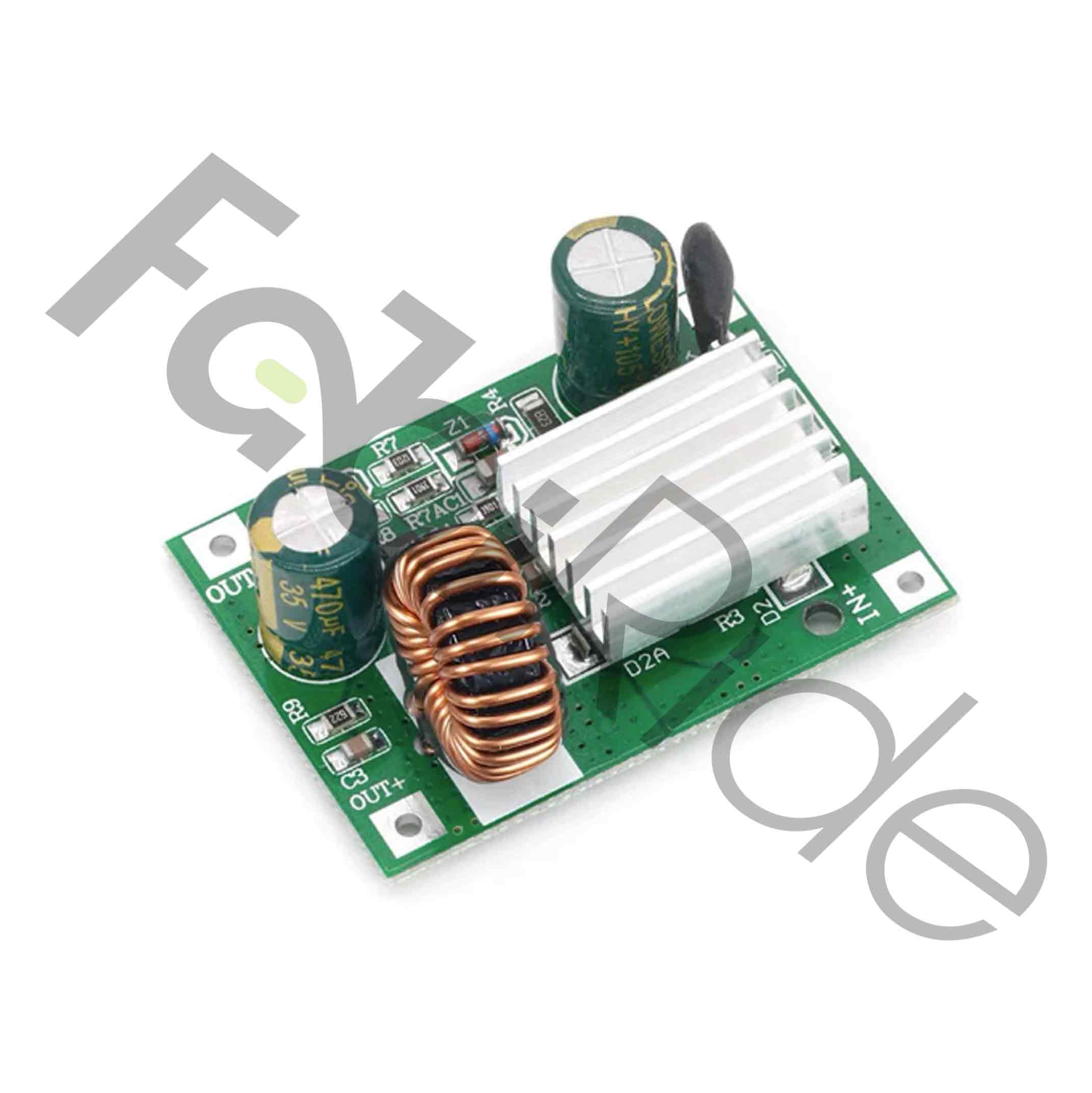
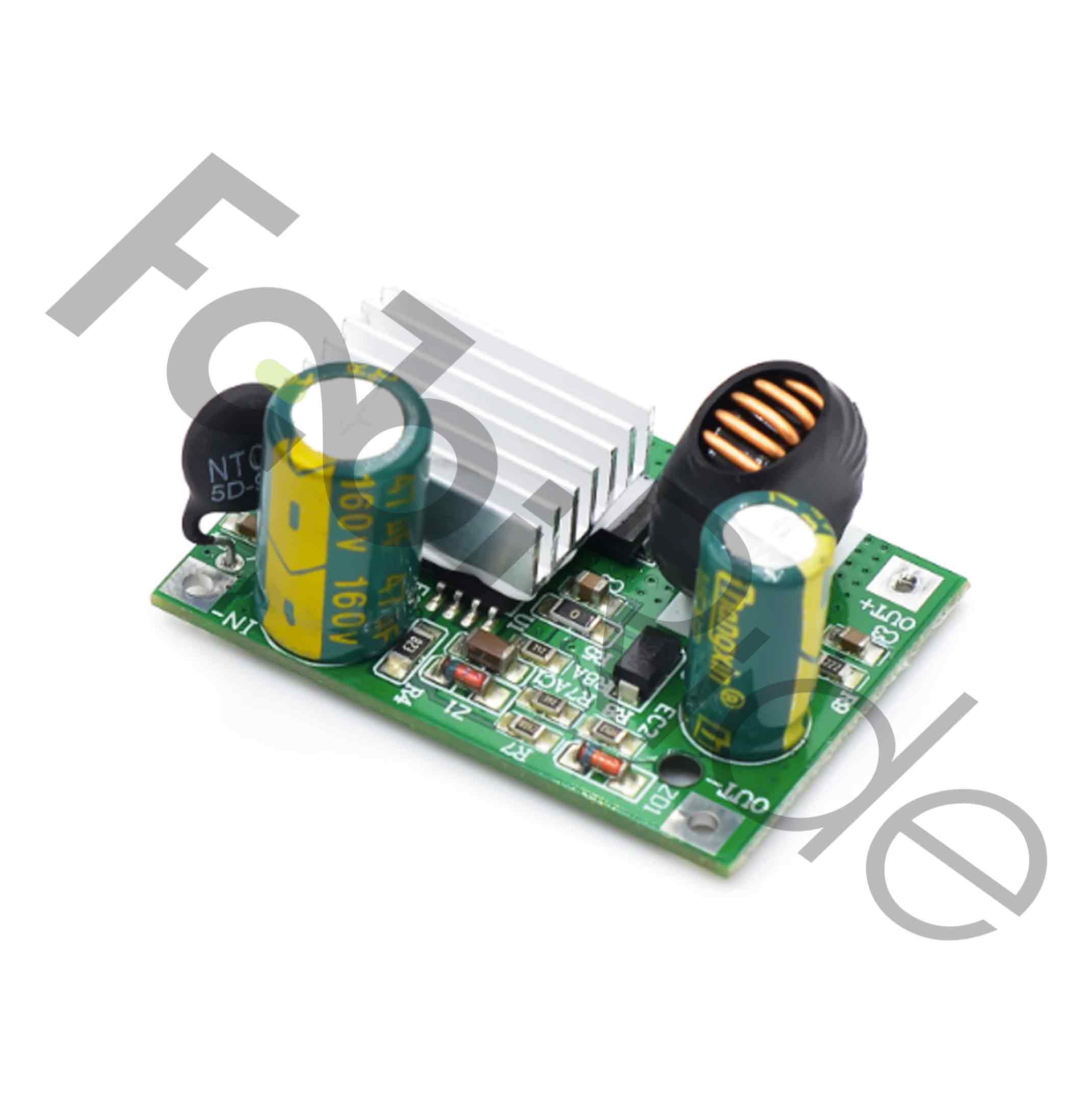
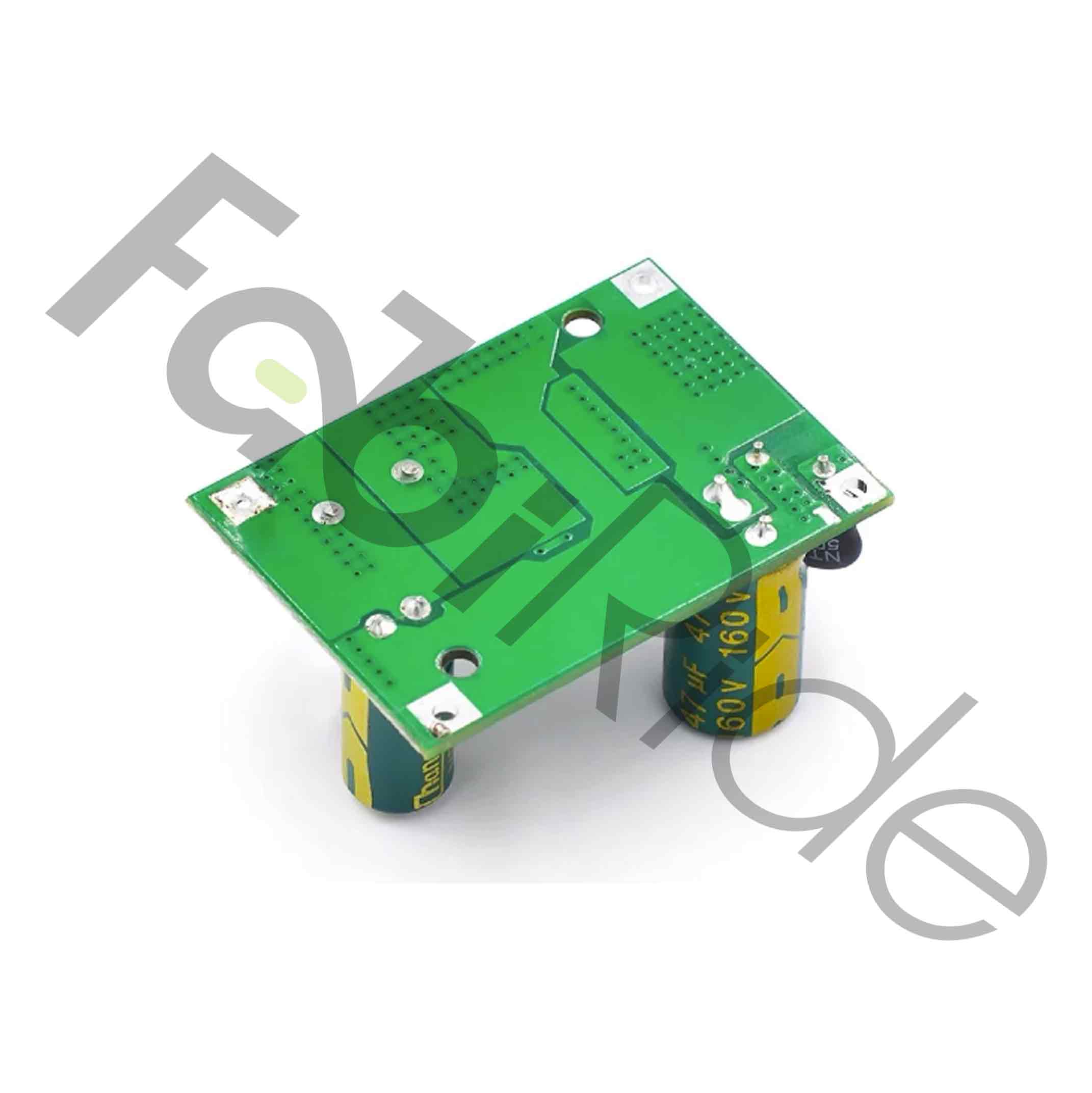
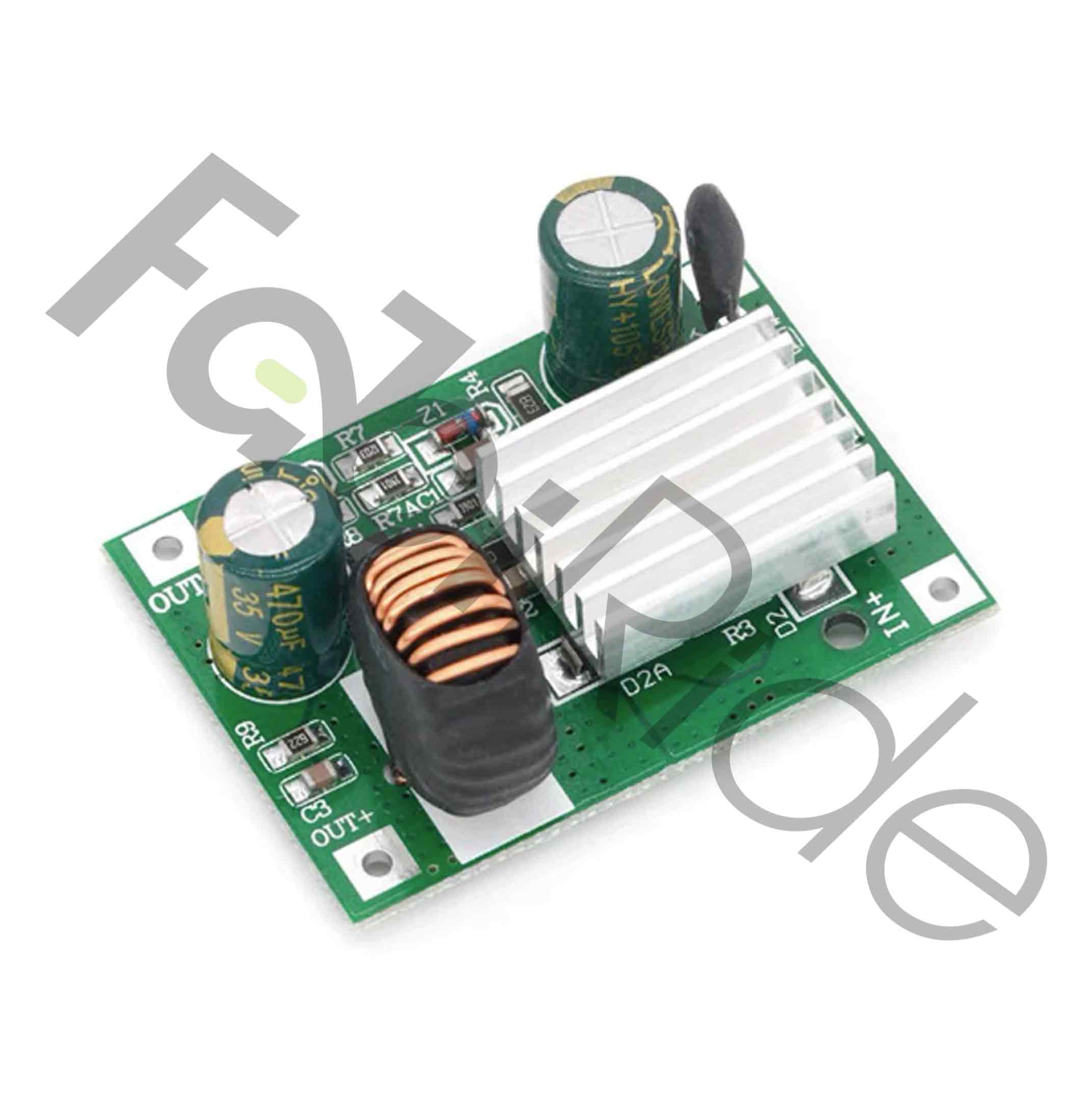
The 20V-90V to 5V 3A DC-DC converter is a step-down (buck) module that powers 5V devices directly from a traction battery. It accepts 20-90V DC input and delivers a regulated 5V DC output at up to 3A. That equals 15W of usable power. The module fits electric motorcycles, electric bikes, electric scooters, ATVs and UTVs.
Supported battery systems include 24V, 36V, 42V, 48V, 52V, 60V, 72V and 84V. The wide input window covers a fully charged 72V Li-ion pack, which sits near 84V straight off the charger. Because of this, one module replaces several narrower-range units. Output voltage stays fixed at 5V as the pack discharges from full to low.
This device is not a charger and not an inverter. Instead, it takes higher DC voltage from your battery and hands back a lower, regulated DC voltage. The housing is compact, so it hides easily under a frame cover or inside a controller box. Depending on the batch and model, the output is either screw terminals or a USB socket.
Key Benefits
- Wide 20-90V DC input range – a single module covers 24, 36, 42, 48, 52, 60, 72 and 84V battery systems.
- Regulated 5V output – the voltage does not sag as the pack drains from full charge down to a low state.
- Up to 3A output current – enough headroom for a phone, GPS unit, camera and small electronics at once.
- 15W total power – the 5V rail can also feed a 5V LED strip, provided total draw stays under 3A.
- 72V system compatibility – the 90V ceiling handles a fully charged 72V Li-ion pack at roughly 84V.
- Two output options – screw terminals for bare wiring or a USB socket, depending on the batch.
- Microelectronics ready – ESP32, Arduino, sensors and data loggers run straight off the traction battery.
- Compact build – the small footprint tucks into tight spaces without a custom bracket.
Who Is This For
This converter suits owners of electric motorcycles, electric bikes and electric scooters. ATV and UTV riders use it as well. It matters most on vehicles with no factory 5V outlet on board. The module works with 24V, 36V, 42V, 48V, 52V, 60V, 72V and 84V packs.
Typical users mount phone cradles or GPS navigation holders on the handlebar. Others power an action camera during rides. Riders who install 5V LED accessories also rely on this module for a clean supply.
The second major group is electronics builders. The converter feeds single-board computers and microcontrollers such as the Raspberry Pi, ESP32 and Arduino. It also runs sensors and data loggers on mobile projects. Please note that a Raspberry Pi 4 often demands more than 3A at peak, so plan your power headroom accordingly.
Technical Specifications
| Type | DC-DC step-down (buck) converter |
| Input voltage | 20-90V DC |
| Supported systems | 24 / 36 / 42 / 48 / 52 / 60 / 72 / 84V |
| Output voltage | 5V DC (fixed, regulated) |
| Max output current | 3A |
| Max power | 15W |
| Output connection | Screw terminals or USB (by batch / model) |
| Fast charging (QC/PD) | Not supported – output fixed at 5V |
| Recommended input fuse | 2-3A, mounted close to the battery |
| Applications | E-bike, scooter, e-motorcycle, ATV/UTV, DIY |
Installation Tips
- Fit a 2-3A fuse in the input circuit, as close to the battery as practical.
- Observe polarity (+/-) strictly when connecting the input wires.
- Use wire with adequate cross-section on both the input and output side.
- Avoid heat traps and leave space around the module for cooling.
- For sensitive equipment, add output filtering with an electrolytic and a ceramic capacitor.
Why Choose This Converter
The main differentiator is the 20-90V input window. Many basic 5V modules stop at 24V or 60V. As a result, they cannot serve a 72V system that reaches about 84V at full charge. This module accepts that load without extra hardware in front of it.
The second point is the 3A output rating instead of the usual 1-2A. Therefore you can charge a phone while a GPS unit or camera stays powered. The 15W budget is shared across every connected 5V device, so plan the total draw before wiring.
Third, the output is regulated rather than raw. Voltage holds at 5V across the whole discharge curve of the pack. That stability matters for microcontrollers and sensors, which behave unpredictably on a drifting supply.
Frequently Asked Questions
Will this converter work on a 72V electric motorcycle?
- Yes. A fully charged 72V Li-ion pack sits near 84V, well inside the 90V input ceiling.
- No additional pre-regulator or voltage divider is needed.
Which battery systems are supported?
- 24V, 36V, 42V, 48V, 52V, 60V, 72V and 84V packs.
- The input must stay within the 20-90V DC window at all times.
Can I use it on an e-bike, scooter or ATV?
- Yes. The module is designed for e-bikes, electric scooters, e-motorcycles and ATV/UTV builds.
- It is most useful on vehicles without a factory 5V outlet.
Does it support fast charging such as QC or PD?
- No. The output is fixed at 5V with no fast-charge negotiation.
- Devices will charge at standard 5V rates only.
Can it power a Raspberry Pi or ESP32?
- ESP32, Arduino, sensors and data loggers run comfortably within the 3A budget.
- A Raspberry Pi 4 can exceed 3A at peak, so check your power reserve first.
Is this a charger or an inverter?
- Neither. It converts higher DC voltage into lower, regulated DC voltage.
- It does not produce AC and does not manage battery charging.
What output connector does it have?
- Either screw terminals for direct wiring or a USB socket.
- The version supplied depends on the batch and model.
How much can I run at the same time?
- Total draw must stay under 3A, which equals 15W across all connected devices.
- A phone, GPS unit and small camera typically fit inside that budget.
With a 20-90V input span, a regulated 5V rail and 3A of current, this module turns any 24V to 84V traction pack into a usable accessory supply. Fit the recommended 2-3A input fuse, respect polarity and leave room for airflow. Your phone, navigation, camera and microcontrollers then run reliably from the same battery that drives the vehicle.



There are no reviews yet.