



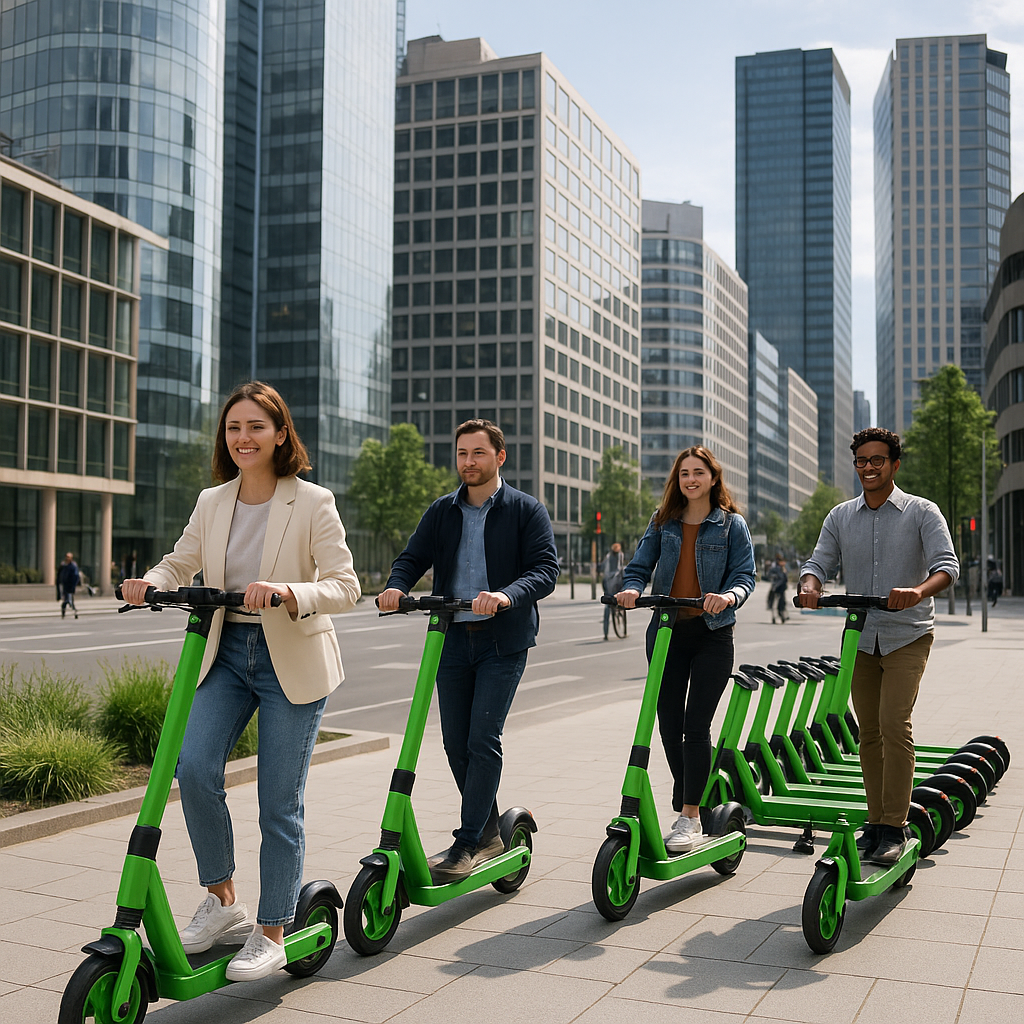
Electric scooters (e-scooters) have become an inseparable part of Lithuanian cities over the last few years. Having quickly taken to this vehicle, city residents are looking for the most convenient ways to get around crowded streets, save time and help protect the environment. But as demand for scooters grows, a bigger question arises: is it better to rent or to buy your own e-scooter?
In this detailed guide we will go through the advantages and disadvantages of both options, a financial analysis, practical considerations and all the nuances you need to weigh up before making a decision. You will learn which situations suit renting, when it is worth investing in your own scooter, and what responsibilities come with each option.
Renting and owning electric scooters: the key differences
Before going into the details, it is worth understanding the main differences between renting e-scooters and buying them. These differences cover commitments, flexibility, the cost structure and the user’s responsibility.
When renting pays off (for occasional or seasonal use)
Renting electric scooters is a great fit for people who ride only occasionally. For example, students on the Vilnius University campus can quickly rent scooters for trips between lectures without any long term commitments.
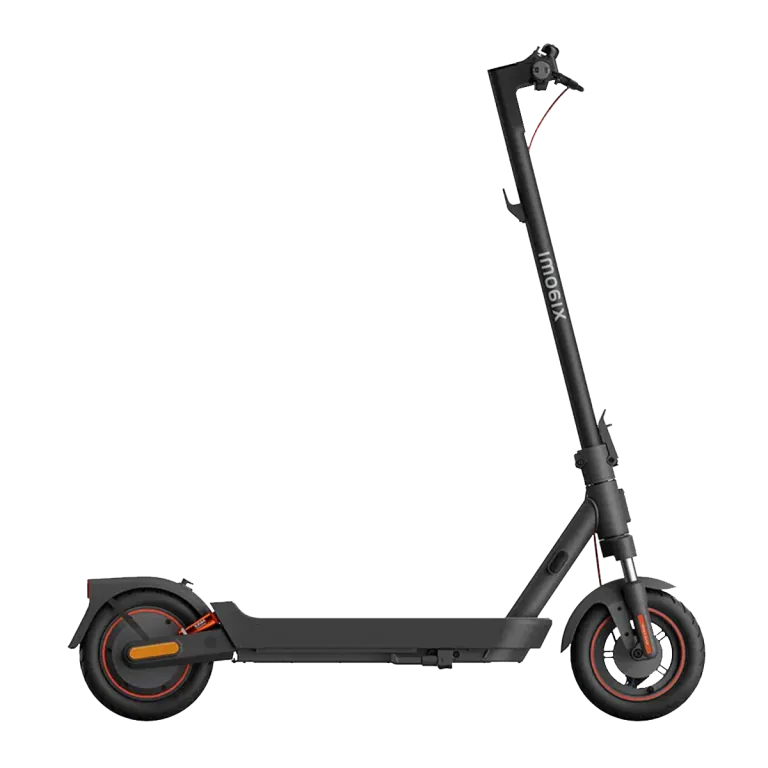
Tourists visiting Kaunas or Klaipeda can easily explore the city without worrying about luggage.
Advantages of renting:
- no need to worry about maintenance or repairs
- no problem finding a place to park
- no need to worry about theft
- the chance to use the newest scooter versions
- the flexibility to use one as needed
Renting is especially convenient for those who use an e-scooter not every day but only on certain occasions, such as weekends or in the warm season. It also suits people who find it inconvenient to keep a scooter at home because of a lack of space.
When owning pays off (for daily use)
Your own e-scooter becomes the more economical choice for those who use it every day. For example, an IT specialist living in Siauliai who rides a scooter to work every day gets the investment back within 3-5 months compared with renting all the time.
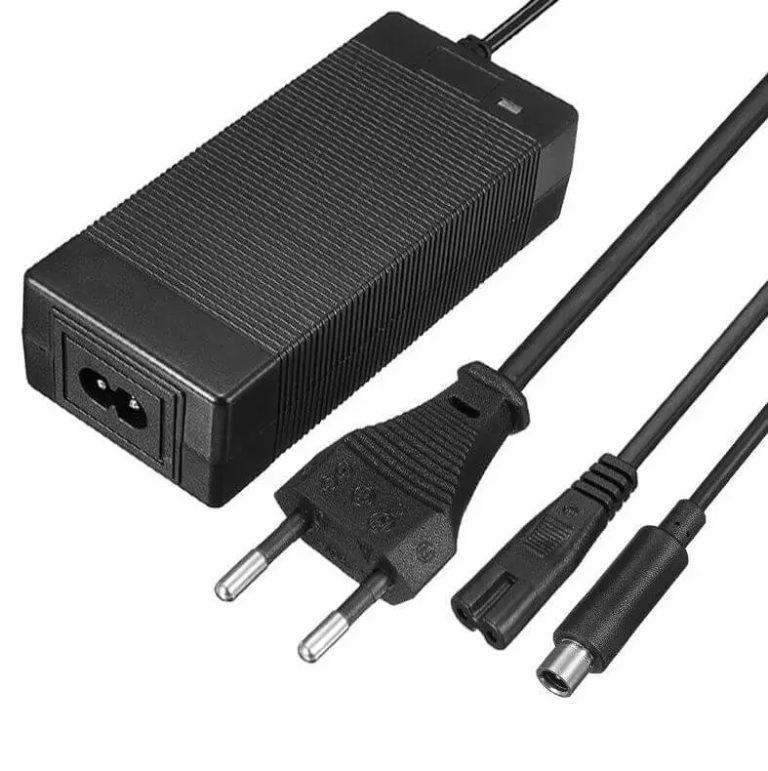
Advantages of owning:
- lower long term costs with intensive use
- the chance to choose a model to suit your personal needs
- independence from the availability of sharing platforms
- greater adaptability to your personal needs
- no time limits on use
Your own scooter gives you more confidence in the battery condition and technical reliability, and the convenience of knowing the vehicle is always within reach. For many daily users this brings extra peace of mind and comfort.
Financial comparison: initial and long term costs
When deciding whether to rent or buy an e-scooter, it is important to do a thorough financial analysis that takes both short term and long term costs into account.
Prices on sharing platforms in Lithuanian cities usually range from 1 to 1.5 euros for the unlock fee and about 0.15-0.25 euros per minute. Meanwhile, the purchase price of a quality e-scooter starts at roughly 300-400 euros for cheaper models and can reach 700-1200 euros for more advanced models with a bigger battery and a more durable build.
For example, for an average city resident who rides for 10 minutes twice a day, 5 days a week, the rental cost would come to:
- Per day: 2 x (€1.5 + €0.20 x 10 min) = €7
- Per week: €7 x 5 = €35
- Per month: €35 x 4 = €140
Meanwhile, if you buy an e-scooter worth €500, it would pay for itself in roughly 3.5 months of active use. However, you also need to take the additional costs into account:
- annual maintenance fee: about €50
- battery replacement (every 2-3 years): €100-200
- minor repairs and parts: €30-50 per year
- electricity costs for charging: about €15-20 per year
- insurance (optional): €30-80 per year
This financial comparison shows that with intensive use, owning a scooter is the more economical option, but for occasional use renting remains the more attractive choice.
Practical aspects: convenience, flexibility and lifestyle
Besides the financial side, other practical factors also decide whether to rent or buy an e-scooter. These factors can have a big influence on your overall satisfaction and convenience.
Practical advantages of renting:
- no need to worry about storage space at home or at work
- no maintenance worries
- you can leave it in any suitable place in the city
- no need to carry it indoors or worry about locking it up
- the chance to use different models as needed
Practical advantages of owning:
- guaranteed availability at any time
- no restrictions on where you can ride
- the chance to customise it to your needs
- no need to look for free scooters through apps
- more control over the technical condition and cleanliness of the vehicle
The infrastructure for e-scooters in Lithuanian cities is improving rapidly, especially in Vilnius and Kaunas, where the network of cycle paths keeps expanding. This increases the convenience of using both rented and privately owned scooters.
City regulations and safety standards
In Lithuania, electric scooters are legally treated like bicycles, so similar rules apply to them:
- maximum speed: 25 km/h
- a helmet is mandatory for people under 18
- riding in pedestrian zones at more than 7 km/h is prohibited
- you must follow the road traffic rules
- lighting is required in the evening and at night
It is important to know that sharing platforms often have additional restrictions, for example a ban on riding in certain city zones, automatic speed limits in certain places, or a requirement to park scooters only in designated zones.
The owner of a private scooter has more freedom, but also more responsibility to follow the general rules and to keep the scooter’s technical parameters in order.
Environmental and community impact
Electric scooters are seen as a greener alternative to cars, but their environmental impact depends on many factors.
From an environmental point of view, sharing system scooters have both advantages and disadvantages:
- positive: one scooter serves many users
- negative: a shorter service life because of more intensive use
- negative: transport for collection and redistribution creates additional CO2 emissions
Privately owned scooters usually last longer if they are properly maintained, which reduces the overall ecological footprint. Privately owned scooters also often replace car trips, especially in city centres, which helps improve urban air quality.
In Vilnius, Kaunas and other larger cities, municipalities encourage micromobility vehicles because they help reduce congestion and air pollution.
Ownership responsibilities and hidden costs
When buying your own e-scooter, you must take into account the additional responsibilities and costs that are not immediately visible.
Regular maintenance includes:
- checking and maintaining tyre pressure
- checking and adjusting the brake system
- battery care and proper charging
- tightening bolts and lubricating moving parts
- software updates (on more modern models)
Many of these jobs need only minimal technical experience, but more complex repairs may require professional help, which means additional costs. On average in Lithuania, servicing an e-scooter costs from 30 to 70 euros, depending on how much work is needed.
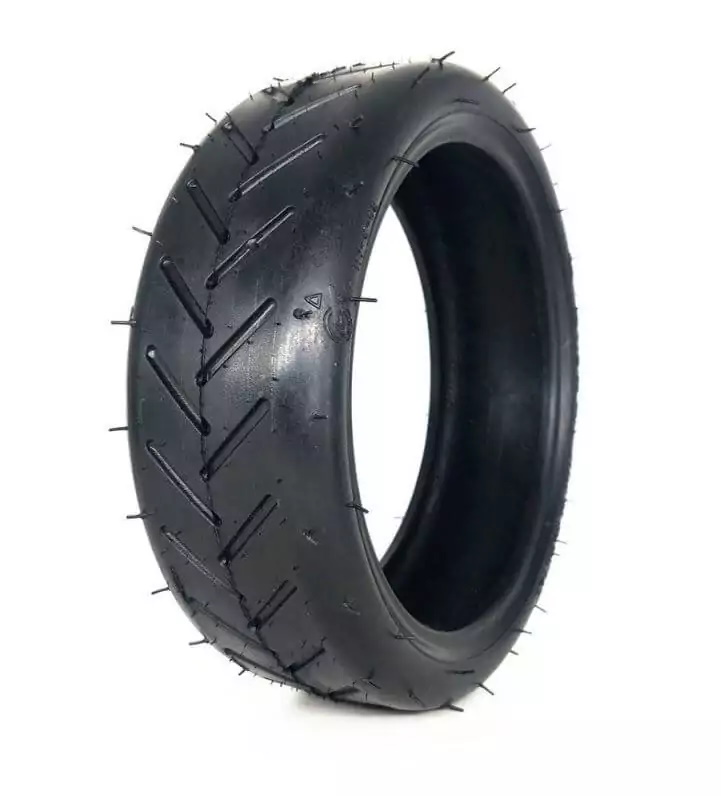
The battery is the most expensive component of a scooter, and replacing it after 2-3 years can cost 100-200 euros, depending on the model. These costs must be included in your long term budget.
In Lithuania, insurance for electric scooters is not mandatory, but more and more owners choose to take out at least third party liability insurance, which costs from 30 to 80 euros a year. This insurance protects against financial losses if an accident happens and damage is caused to third parties.
Storage matters too: scooters take up space at home, and leaving one outside increases the risk of theft.
A quality lock costs 20-50 euros, but it is not completely reliable protection against thieves.
Another aspect is the resale value of an e-scooter. After 2-3 years of use, a well maintained scooter can keep 30-40% of its original value, which helps reduce the overall cost of ownership.
Conclusion
To sum up, the decision whether to rent or buy an e-scooter depends on individual needs and circumstances. Different solutions may suit different people better.
Renting is recommended for:
- city residents who ride only occasionally
- tourists and fans of short trips
- those who have no place to keep a scooter
- people trying out e-scooters before buying their own
- those who do not want to deal with maintenance
Owning is recommended for:
- people who ride to work or school every day
- those who have a safe place to store it
- those who want to adapt the scooter to their needs
- people looking for long term economic benefit
- those who enjoy looking after their vehicles technically
Before making the final decision, it is worth trying rental services for at least a month and tracking your usage habits: how often, over what distances and in what conditions you use an e-scooter. This will help you judge more accurately whether investing in your own scooter will pay off financially and give you the convenience you expect.
Whatever you choose, the most important thing is to stay a conscious road user: follow the safety rules, respect other road users and help build sustainable urban mobility.
Frequently asked questions (FAQ)
Is it cheaper to rent or buy an electric scooter in Lithuania?
For occasional use, renting is cheaper; for people who ride every day, buying a scooter usually pays for itself within a few months of regular use.
What hidden costs come with owning an electric scooter?
Owners have to take care of maintenance, repairs, storage, charging and insurance, costs that rental companies cover in the case of rented scooters.
What are the legal requirements for electric scooter riders in Lithuania?
In Lithuania there is a maximum speed limit of 25 km/h, a helmet is mandatory for those under 18, and additional registration or insurance may apply to more powerful models.
How eco-friendly are electric scooters compared with cars or public transport?
E-scooters usually emit less CO2 and help reduce congestion, but sharing system scooters may have a bigger environmental footprint because of their shorter service life and redistribution logistics.
Can you insure an electric scooter in Lithuania?
Yes, several Lithuanian insurance companies offer third party liability and theft/damage insurance, and some of it is now becoming mandatory for more powerful scooters.
