



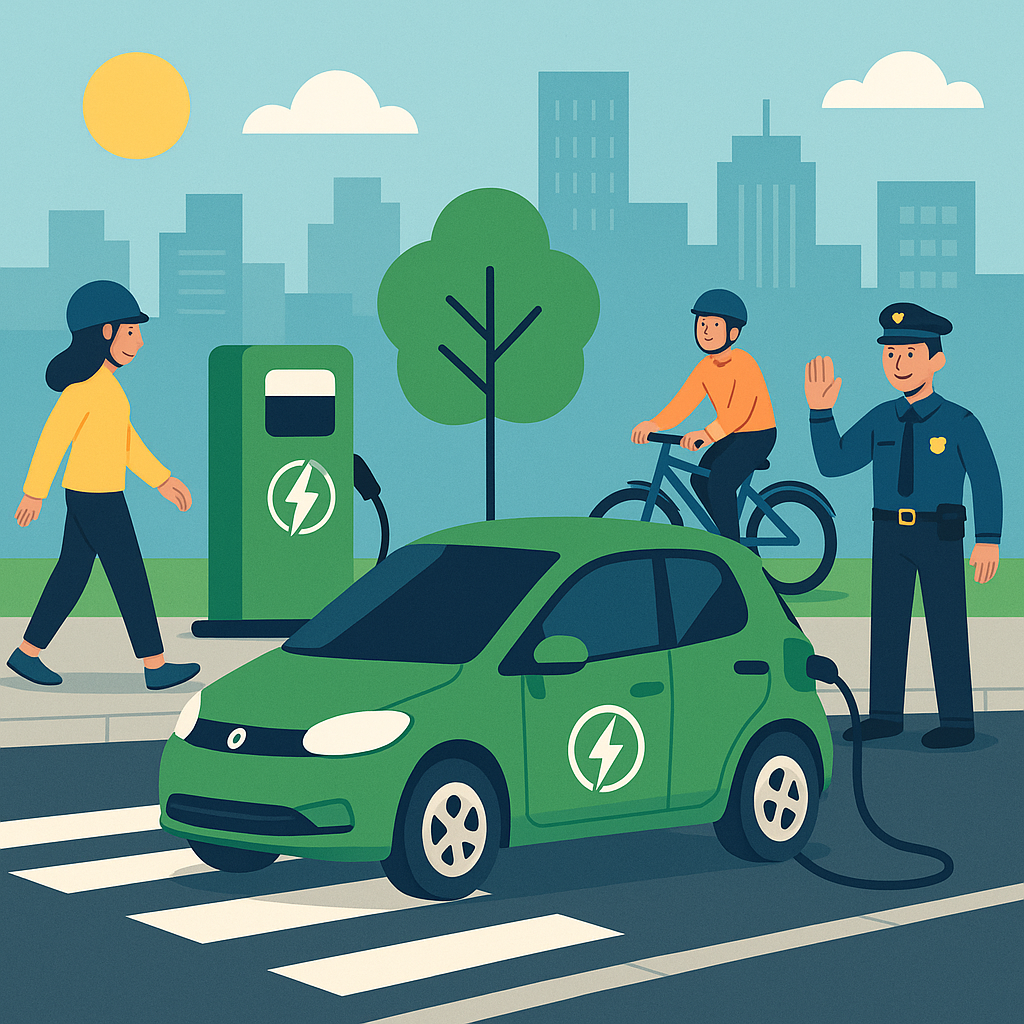
The popularity of electric vehicles has been growing rapidly in recent years, from e-scooters and e-bikes to cars. Lithuania and other European countries are increasingly joining the green energy revolution, so we see more and more electric vehicles on the streets.

But along with new technology come specific safety challenges: battery care, proper charging, fire risk and everyday safety questions.
Electric vehicle safety involves much more than riding skills. It is a comprehensive body of knowledge about how batteries work, proper maintenance and preventing potential hazards. In this article you will learn about the main risk factors of electric vehicles, essential charging and battery care tips, safe storage and maintenance, what to do in an emergency, and the legal requirements.
Understanding the risks of electric vehicles
Although electric vehicles are considered a safe and environmentally friendly alternative, it is important to understand the risks that come with them. The main hazard comes from lithium-ion batteries, which, although rarely, can cause fires, especially because of improper use, storage or charging. Such fires are harder to extinguish than ordinary vehicle fires because of the chemical reactions taking place inside the batteries.
Most accidents with electric vehicles happen not because of manufacturing defects, but because of user mistakes: improper charging, modifications or insufficient maintenance. Battery overheating is one of the main fire risk factors, and it can be caused by various things, from physical damage to improper charging conditions.
European safety research data shows that many accidents can be avoided by following basic safety rules. A particularly dangerous practice is trying to modify electric vehicles yourself or using non-original, uncertified parts.
Battery fire mechanisms and cases
One of the most dangerous phenomena associated with lithium-ion batteries is called “thermal runaway”. This is a process in which one battery cell overheats and triggers a chain of reactions in other cells, which can lead to a fire or even an explosion. Such a reaction can start from physical damage to the battery, overcharging, extreme temperatures or manufacturing defects.
It is important to understand that although electric vehicle fires get a lot of media attention, statistically they are quite rare. However, proper awareness of prevention is essential for every electric vehicle owner to ensure maximum safety.
Essential charging and battery safety tips
Proper charging of electric vehicles is one of the most important safety aspects. First of all, always use only original or manufacturer-approved chargers that are made specifically for your vehicle. Non-original or poor quality chargers can damage the battery and pose a serious hazard.
- charge the vehicle in a well-ventilated place, away from flammable items
- avoid leaving the vehicle charging unattended, especially overnight
- regularly check the cables and charger connectors for signs of damage or wear
- do not use the battery or charger if you notice any damage
- follow the manufacturer’s recommendations on charging frequency and battery care
- avoid doing your own modifications or repairs to the electrical system
Fire safety service recommendations emphasise that many battery fires can be avoided by following simple safety rules. Specialists recommend charging electric vehicles during the day, when you can monitor the process, and never leaving a charge unattended for a long time.
Battery care also includes regularly monitoring how it performs.
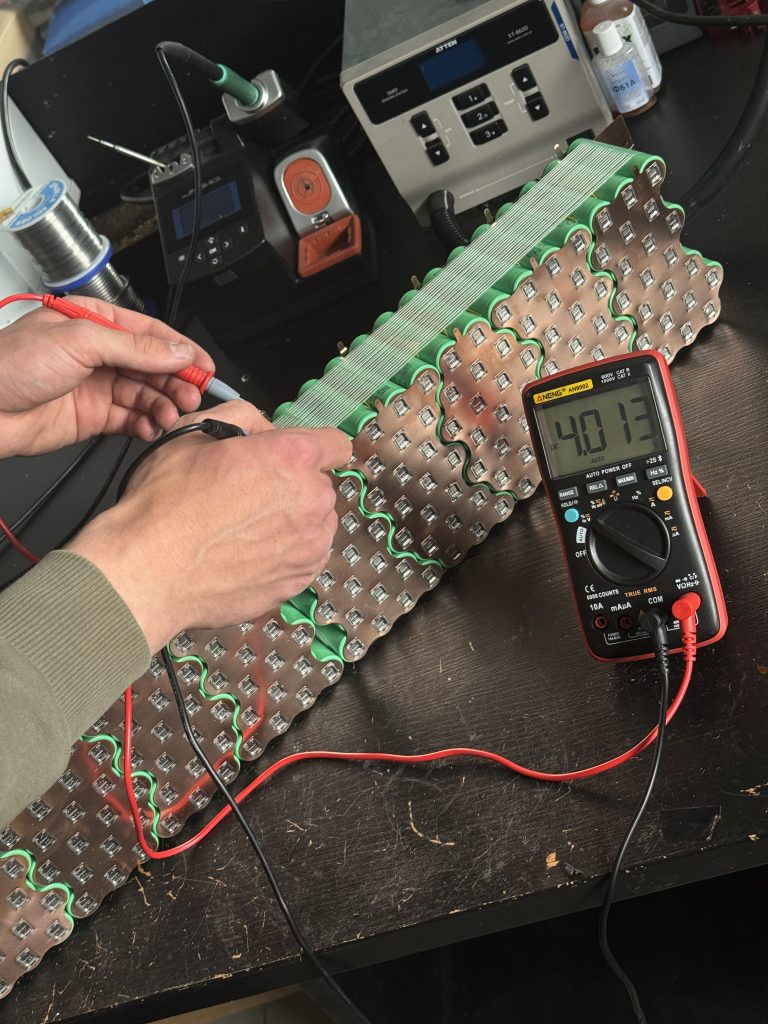
If you notice that the battery drains faster, gets hotter or shows other unusual signs, we recommend contacting specialists. A regular professional inspection can help identify potential problems early.
Safe storage and maintenance of electric vehicles
Proper storage of electric vehicles is just as important as everyday use.

We recommend storing an e-scooter, e-bike or car in a dry, cool, well-ventilated room, away from direct sunlight and heat sources. Temperature matters too: the ideal storage temperature is between 10 and 25°C.
If you plan not to use your electric vehicle for a longer period, we recommend:
- leaving the battery at a medium charge (about 50-60%)
- not storing a fully discharged or fully charged battery for a long time
- periodically (every 1-2 months) checking the battery condition and charge level
- not storing the vehicle near flammable materials or objects
- carrying out regular inspections, looking for signs of damage or corrosion
A regular vehicle inspection should include checking not only the battery, but also the condition of the other electrical components. Pay particular attention to the wires, connectors and charging ports: they must be clean, dry and undamaged. When carrying out the check, always follow the manufacturer’s instructions and recommendations.
Signs that the battery needs replacing
- a significantly reduced range on a fully charged battery
- unusual heating of the battery while charging or in use
- physical changes to the battery: swelling, deformation, fluid leakage
- an unusual smell coming from the battery
- irregular performance: sudden shutdowns or power fluctuations
- a charging time that keeps getting longer
If you notice at least one of these signs, we recommend contacting specialists immediately to have the battery checked or replaced. Trying to keep using a damaged battery can cause serious safety problems.
What to do in an emergency: battery overheating or fire
Recognising a problem with an electric vehicle battery at an early stage is very important for safety. The first warning signs can be unusual heat, a strange smell (often compared to burning plastic or chemicals), unusual sounds or smoke. If you notice at least one of these signs, you need to act immediately.
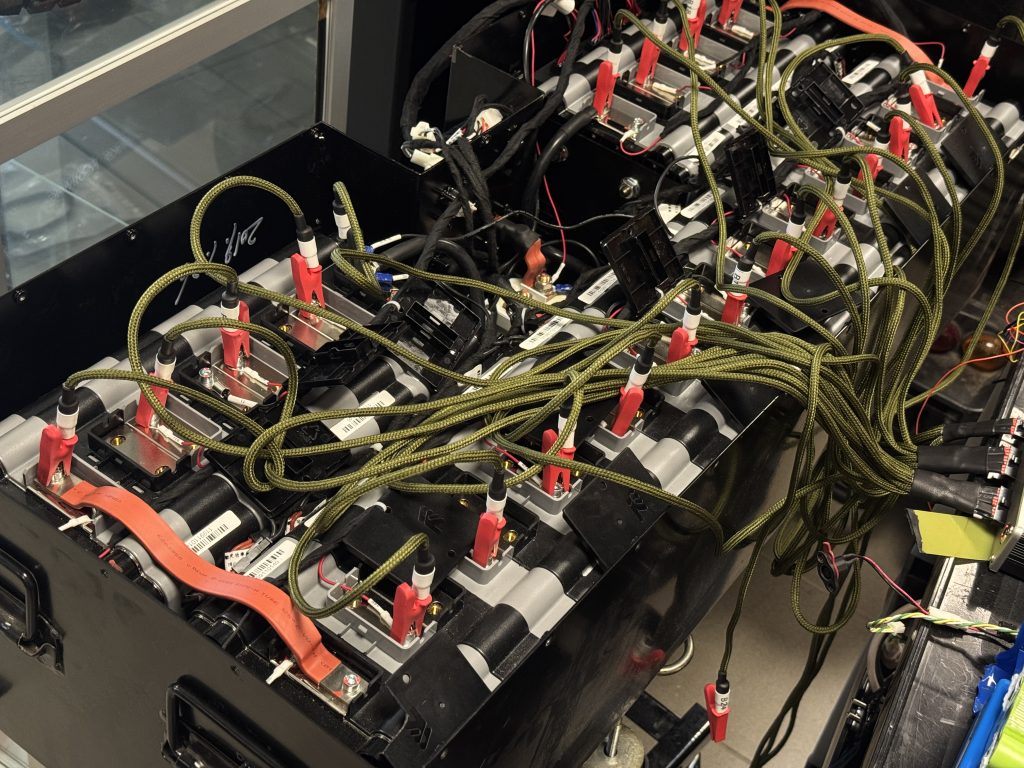
If you notice that the battery has overheated or started to smoke:
- Stop charging immediately and switch off the vehicle, if possible
- If it is safe, take the vehicle outside to an open space, far from buildings and flammable objects
- Do not touch the battery with bare hands
- Call the emergency services (the general emergency number 112)
- If possible and safe, warn the people around you about the danger and advise them to move away
It is important to know that traditional extinguishers can be ineffective against a lithium-ion battery fire. Fire services usually use special equipment to put out such fires. Never try to put out a burning battery with water, because it can cause a short circuit and make the situation worse.
European fire protection experts recommend that electric vehicle owners keep a special extinguisher designed for lithium-ion batteries. It is also recommended to have a non-flammable container or bag for isolating smaller vehicles (for example, e-scooters) in an emergency.
Legal and regulatory aspects for electric vehicle owners
In Lithuania and across the European Union, various legal requirements apply to electric vehicles, and every owner needs to know them. Users of e-scooters, e-bikes and cars must follow not only the general traffic rules, but also the specific requirements that apply to electric vehicles.
The main legal aspects to pay attention to:
- in Lithuania, e-scooters and e-bikes must meet set technical requirements (maximum speed, power parameters)
- charging electric vehicles in public places must only be done in designated places
- all electric vehicles sold must have CE certification
- insurance companies may refuse to compensate damage if it is found that the vehicle was modified or poorly maintained
- regular technical inspections are mandatory for certain categories of electric vehicles
It should be noted that the legal environment around electric vehicles is constantly changing in line with technological development and safety requirements. We recommend regularly following the latest changes in legislation and consulting specialists before making any modifications or changes to your vehicle.
It is also important to know that improper disposal of electric vehicle batteries not only endangers the environment, but is also prohibited by law. Old or damaged batteries must be taken to special collection points or handed over to the manufacturer for disposal.
Summary
Electric vehicles are undoubtedly the technology of the future, but to ensure maximum safety you must follow specific safety rules. A proactive approach to caring for electric vehicles, proper charging and storage, regular checks and awareness of potential hazards are the essential factors for safe use.
Whether you ride an e-scooter, an e-bike or drive a car, the basic safety principles remain similar. Proper battery care, using original parts and consulting professionals will help you avoid most problems. Remember that proper care of electric vehicles protects not only you and your family, but also those around you and your investment.
As technology keeps improving, we recommend following the latest manufacturer recommendations and safety tips. We hope this knowledge will help you enjoy electric vehicles safely and contribute to building a greener transport future.
Frequently asked questions (FAQ)
What is the main fire risk associated with electric vehicles?
Most electric vehicle fire incidents are related to battery overheating, damage or improper charging practices.
How do I store an electric vehicle safely?
Store it in a dry, ventilated place, away from flammable items, and if it will not be used for a long time, keep the battery charge at around 50%.
What should I do if an electric vehicle battery overheats or gives off a strange smell?
Stop charging or using it immediately, take it out to an open space and contact the emergency services, without using water to put out the battery.
Can I use any charger for my electric vehicle?
Use only manufacturer-approved, certified chargers to avoid battery damage and fire risk.
Are electric vehicles more dangerous than traditional vehicles?
When used and maintained properly, electric vehicles are no less safe than traditional vehicles; most risks arise from not following safety practices.
