



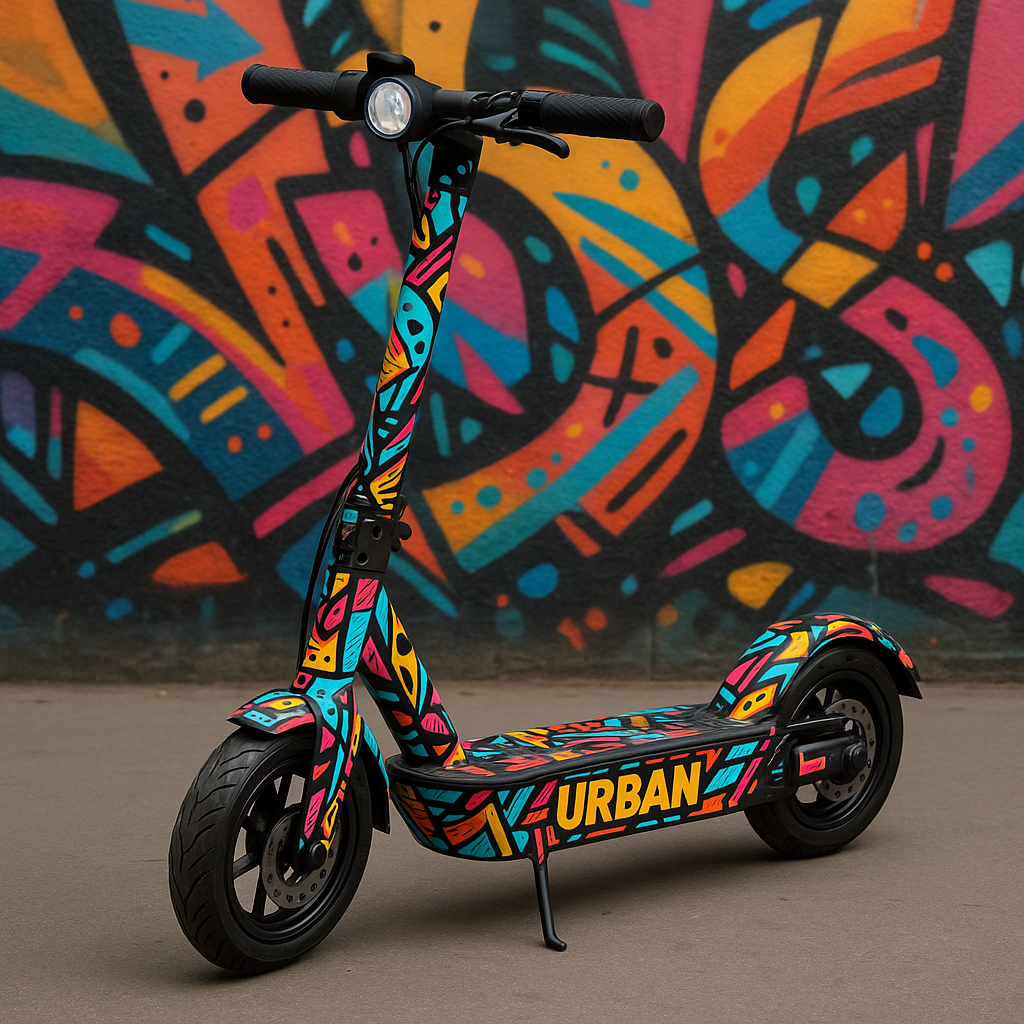
E-scooter tuning is the process of modifying a vehicle’s hardware or software to improve its performance, most often speed, torque or range. However, increasing power without paying proper attention to safety can have serious consequences. In a modern city, where e-scooters are becoming an ever more popular way to get around, it is important to understand how to balance upgrades with safety standards, both for your own safety and for legal compliance.
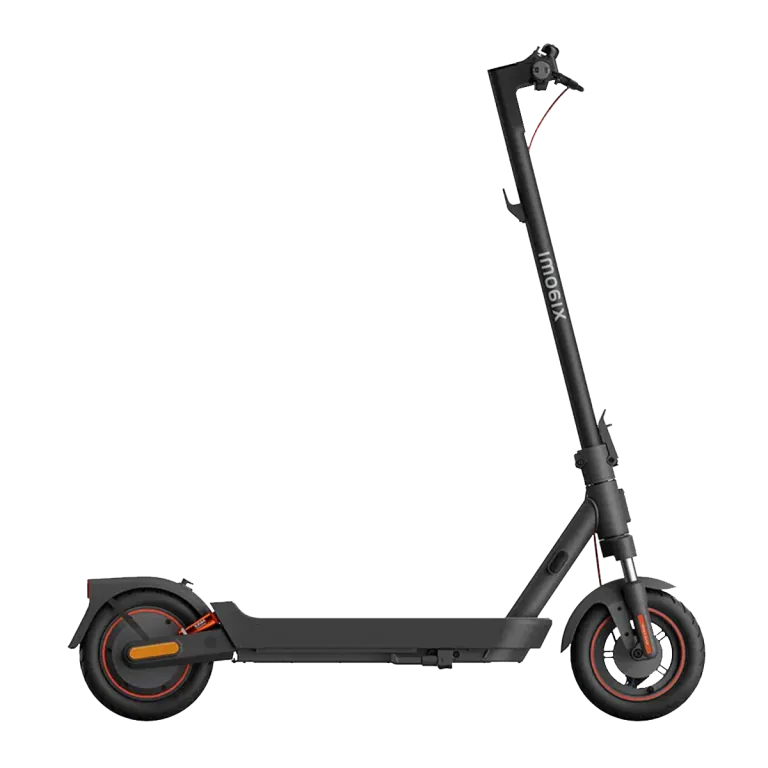
In this detailed guide you will learn how to tune an e-scooter responsibly and safely, which components have the biggest influence on performance, what the legal consequences of modifications are, and how to make sure your upgraded vehicle stays safe and reliable for everyday use.
How an e-scooter works and the basics of tuning
Before making any changes, you need to understand the difference between ordinary servicing and tuning. Regular servicing covers routine maintenance, such as checking tyre pressure, adjusting the brakes or replacing basic parts. Tuning, on the other hand, covers upgrades to hardware (battery, controllers, motors) or software (modifying firmware, changing speed limiter settings) that fundamentally change the vehicle’s characteristics.
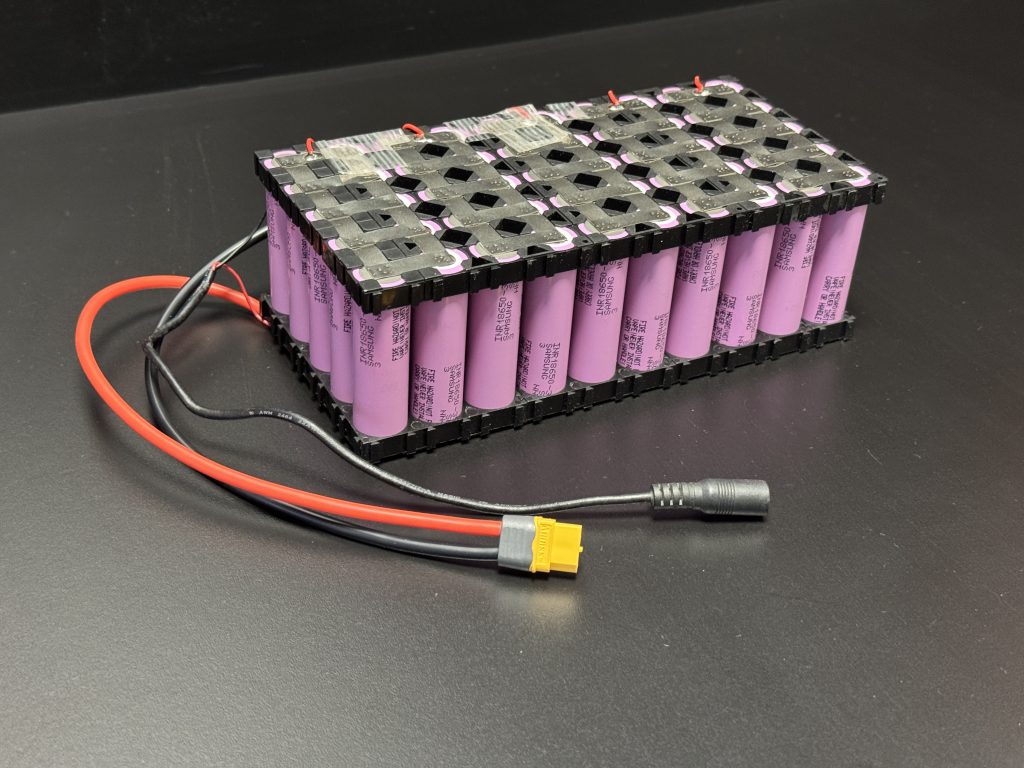
The most popular ways to modify e-scooters
- software modifications: changing speed limiter settings or motor parameters
- replacing the battery with a more powerful or higher capacity one
- modifying the motor or replacing it with a more powerful one
- replacing the controller with a more powerful one
- mechanical changes: changing tyres, improving the braking system
For beginners, we recommend starting with simpler changes that do not interfere with the vehicle’s basic safety or operating principles. For example, fitting tyres with better grip or adding extra lights are relatively safe upgrades that can improve ride quality without creating significant danger.
When choosing reliable tuning kits, it is worth looking at specialised kits made for specific scooter models. Such kits have often been carefully tested by their manufacturers and make sure the components work together optimally.
Balancing more power with scooter safety
When increasing a scooter’s power, you must take the potential risks into account. Higher speed or torque can raise the risk of accidents or put extra stress on the electronic components. In addition, a more powerful vehicle takes more skill to control.
Every rider has a legal and ethical responsibility to ensure the safety of other road users and pedestrians. So before making any changes, you need to assess not only the technical possibilities, but also your own ability to control the upgraded vehicle safely.
Hardware safety upgrades and software limiters
To ensure safety, you can choose both hardware upgrades and software limiters. Hardware upgrades can include:
- installing improved braking systems (hydraulic brakes instead of mechanical ones)
- tyres with better grip, especially for riding on wet or uneven surfaces
- a reinforced frame that can withstand higher speeds and loads
- extra lights and reflectors for better visibility
- fitting suspension for more stable riding at higher speeds
Software limiters, on the other hand, can help you stay within safe limits, for example:
- smart speed limiting based on the rider’s experience
- power limiting when pulling away, to avoid sudden acceleration
- limiting top speed based on the battery, to optimise running time
- assistance systems that help maintain stability
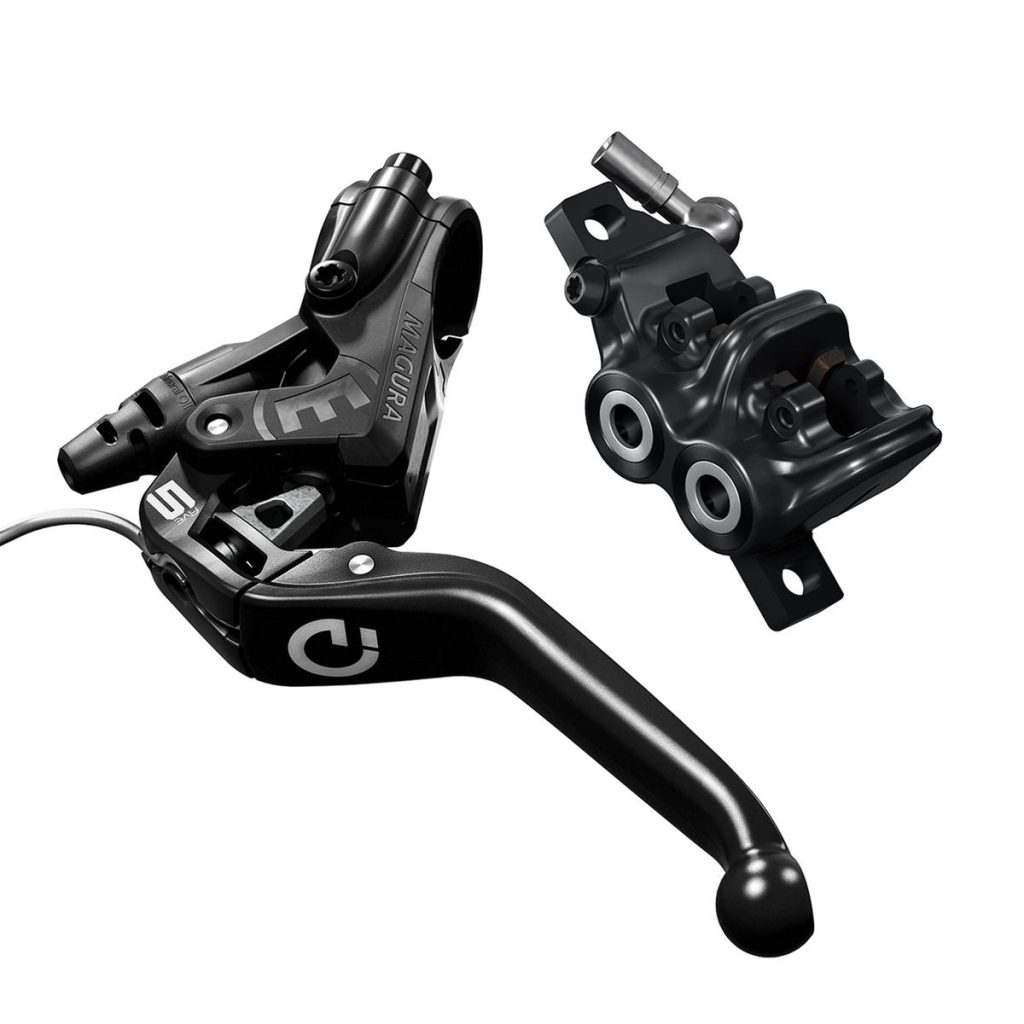
Before making any changes, especially those involving higher speed, you must make sure your scooter has a correspondingly upgraded braking system. Hydraulic disc brakes are among the most reliable and can provide proper braking even at higher speeds or in more demanding conditions.
Key upgrades to electronic components: battery, motor, controller and charging
The electronic components have the biggest influence on a scooter’s power, speed and durability. Understanding how these components work and interact with each other is essential for tuning safely and effectively.
Replacing the battery
The battery is one of the most important elements determining an e-scooter’s range and power. When replacing the battery, pay attention to:
- voltage: higher voltage generally means higher potential speed
- capacity (in amp hours or watt hours): higher capacity means a longer range
- discharge rate: a higher rate allows the battery to deliver more power without overheating
- weight and size: bigger numbers do not always mean better results, especially if they make the ride characteristics worse
When replacing the battery, you must make sure it is compatible with your existing controller and motor. Choosing the wrong battery voltage can damage other electronic components or cause safety problems.
Upgrading the motor
The motor is the component directly responsible for moving the scooter. When choosing a new motor, pay attention to:
- motor type (almost all electric scooters use brushless DC motors)
- power (in watts): more power means better acceleration and the ability to climb hills
- KV value (revolutions per volt): a lower KV value generally means more torque
- efficiency: better efficiency means lower energy consumption and a longer range
It is important to mention that a more powerful motor also means higher energy consumption, so the battery may drain faster. That is why a motor upgrade should often be combined with a battery upgrade.
Upgrading controllers
The controller is the scooter’s “brain”, controlling how energy is passed from the battery to the motor. By modifying the controller you can:
- increase the maximum current delivered to the motor, which increases torque
- change the acceleration curves for smoother or more aggressive acceleration
- add more advanced energy management features for a longer battery life
- add extra safety features, such as thermal protection against overheating
When choosing a new controller, you must make sure it is compatible with your existing motor and battery. The wrong controller may not only fail to deliver the expected result, but can also damage other components.
Upgrading or replacing components
Sometimes it is enough to upgrade the existing components rather than replace them completely. For example:
- replacing the existing wires with thicker ones can reduce energy losses and improve system performance
- installing extra cooling can allow existing components to work at higher capacity without overheating
- software optimisation can improve the performance of the existing controller
However, if you are aiming for significant improvements, it is often more effective to replace the components all at once. This may cost more at the start, but it ensures better compatibility between all the systems and a lower risk of damaging individual parts.
When choosing higher-end tuning parts, it is worth investing in quality parts from reliable manufacturers that are designed specifically for your scooter model or at least compatible with its specifications.
Legal aspects and warranty questions in e-scooter tuning
The use and modification of e-scooters in Lithuania and the European Union is governed by various laws and regulations. These rules are constantly updated in response to the growing e-scooter market and the safety concerns it raises.
In Lithuania, e-scooters with a power of up to 1 kW and a maximum speed of 25 km/h are considered light electric vehicles. Such scooters do not need registration or insurance, and they can be ridden by people aged 14 and over. However, if you increase a scooter’s power or speed above these limits, the vehicle falls into a different category, which may be subject to different requirements.
Ways to preserve your warranty when tuning
Many manufacturers state clearly that any technical or software changes automatically void the warranty. However, there are ways to upgrade a scooter while risking the warranty as little as possible:
- use accessories and upgrades approved by the manufacturer
- keep the original parts so they can be put back in place before warranty service
- choose non-invasive upgrades that leave no noticeable traces
- consult authorised service centres about possible modifications
It is important to understand that even if modifications are temporarily removed before warranty service, modern scooters often have an internal memory that can record changes. So if the device fails because of modifications, the manufacturer may have the technical means to detect this and refuse to honour the warranty.
Legal consequences of illegal modifications
Illegal tuning of a scooter can have serious consequences:
- fines for using a vehicle that does not meet the requirements on public roads
- insurance becoming invalid in the event of an accident
- liability for damage to third parties, if that damage was caused by illegal modifications
- possible confiscation of the vehicle in the case of repeated offences
Before modifying a scooter, you must find out the local rules and requirements. In some places there may be special permits or registration requirements for modified vehicles.
If you use the scooter only on private property, the legal restrictions on power or speed may be less strict, but responsibility for safety and insurance questions still remain.
Conclusions and recommendations
Tuning an e-scooter properly is the art of balancing power with safety. Here are some key principles that will help make sure your modifications are safe and effective:
- always start with a clear understanding of the result you want to achieve: higher speed, better acceleration, a longer range or better stability
- modify systematically, making changes one at a time and testing the results before moving on to the next change
- invest in quality parts and services: cheap, unchecked components can cause more problems than benefits
- remember that any increase in power should be accompanied by corresponding safety upgrades, especially to the braking system
- stay informed about the legal requirements and restrictions in your region
By tuning an e-scooter responsibly, you can achieve an excellent balance between improved power and maintained or even increased safety. This will not only improve your vehicle’s performance, but also ensure a more enjoyable and safer riding experience.
Finally, remember that the best tuning is not the one that delivers maximum power, but the one that best matches your needs and riding conditions, while keeping a high level of safety.
Frequently asked questions (FAQ)
Is it legal to tune an e-scooter in Lithuania?
Yes, but you must follow local laws on e-scooter power limits, maximum speed and suitability for road traffic. Always check the latest vehicle regulations, because e-scooters with a power above 1 kW or a maximum speed above 25 km/h may be subject to additional requirements.
How can I safely increase my e-scooter’s power?
Use only certified components, upgrade the brakes and tyres accordingly, and never bypass built-in safety features. For more complex changes, consult experts.
Will tuning void my e-scooter’s warranty?
Most manufacturers treat hardware and software tuning as grounds for voiding the warranty. Always check the warranty terms and consider modifications that will not harm the warranty, if that matters to you.
What are the most important safety upgrades after increasing power?
Improved brakes, reinforced tyres and extra lights are very important. Be sure to test the changes carefully in a controlled environment.
How do I choose quality tuning parts for my e-scooter?
Choose only parts certified for your model, and use reliable sources or professional service centres to ensure both performance and safety.
