



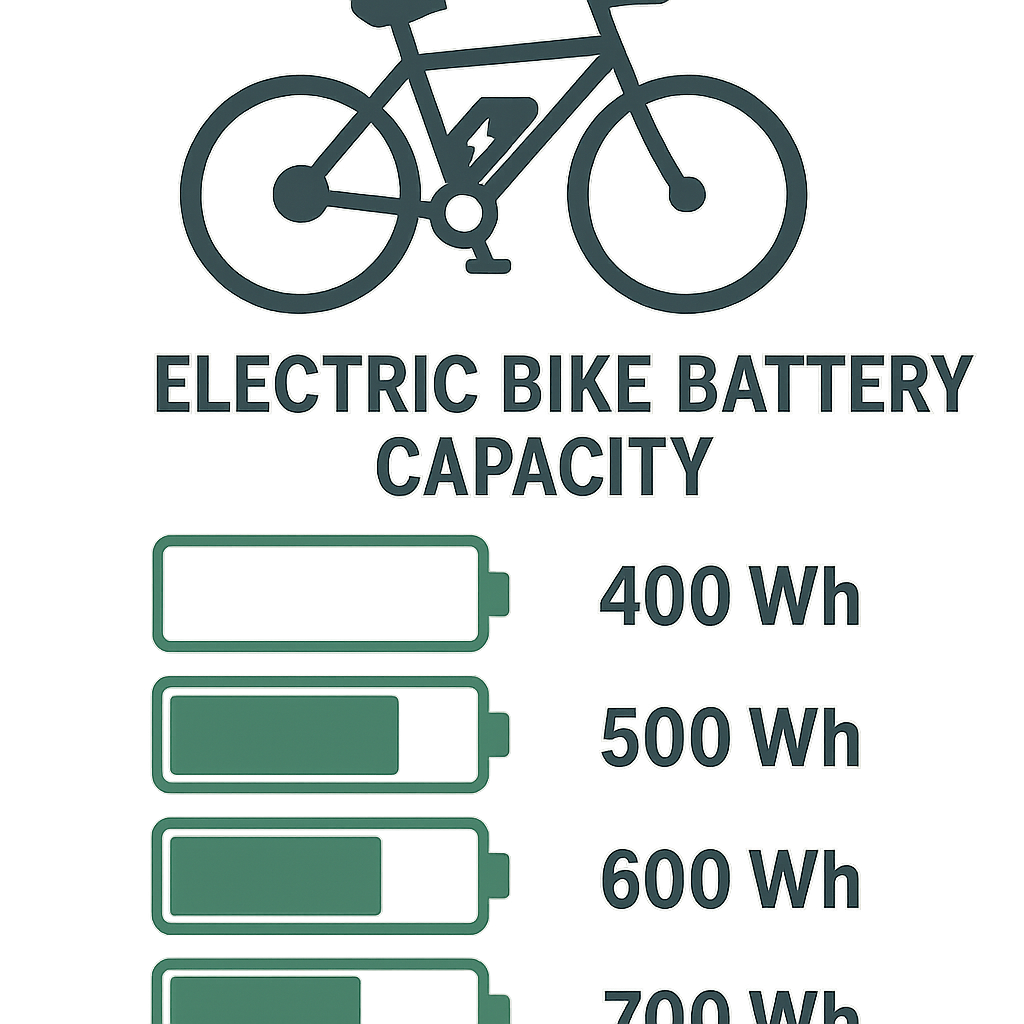
The battery of an electric bike is the heart that gives life and energy to your rides. Choosing a battery of the right capacity can be the deciding factor in whether your rides are enjoyable and carefree, or full of worry about running out of energy. Battery capacity, measured in ampere hours (Ah), determines how far you can ride on one charge, how much weight you have to carry and even how long your electric vehicle will last.
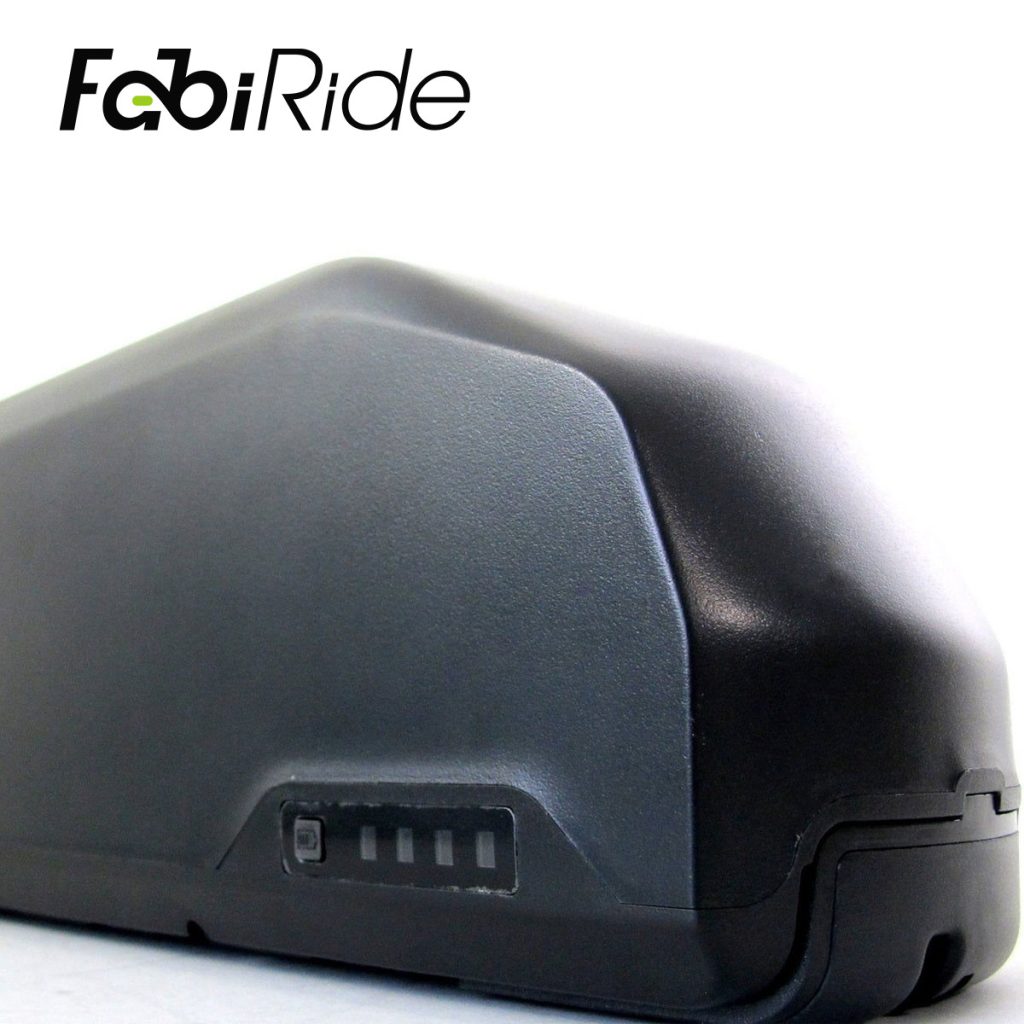
Many beginner e-bike owners underestimate the importance of the battery, often choosing the cheapest option or simply the one that came in the package. A well thought out decision, however, can save you money in the long run, give you a better riding feel and extend the life of the whole e-bike.
In this article you will learn about the different battery types, their advantages and disadvantages, how to calculate the capacity you need based on your own requirements, which maintenance aspects you must know about, and when it is worth considering a battery replacement. Whether you are a beginner or an experienced e-bike rider, this knowledge will help you make the best decision when choosing a new battery or replacing an old one.
Understand the types of e-bike batteries
Before getting into capacity questions, it is important to get to know the main battery types on the market. Different technologies offer different advantages and have different drawbacks, and understanding them is the first step in choosing the right battery.
Lithium-ion batteries
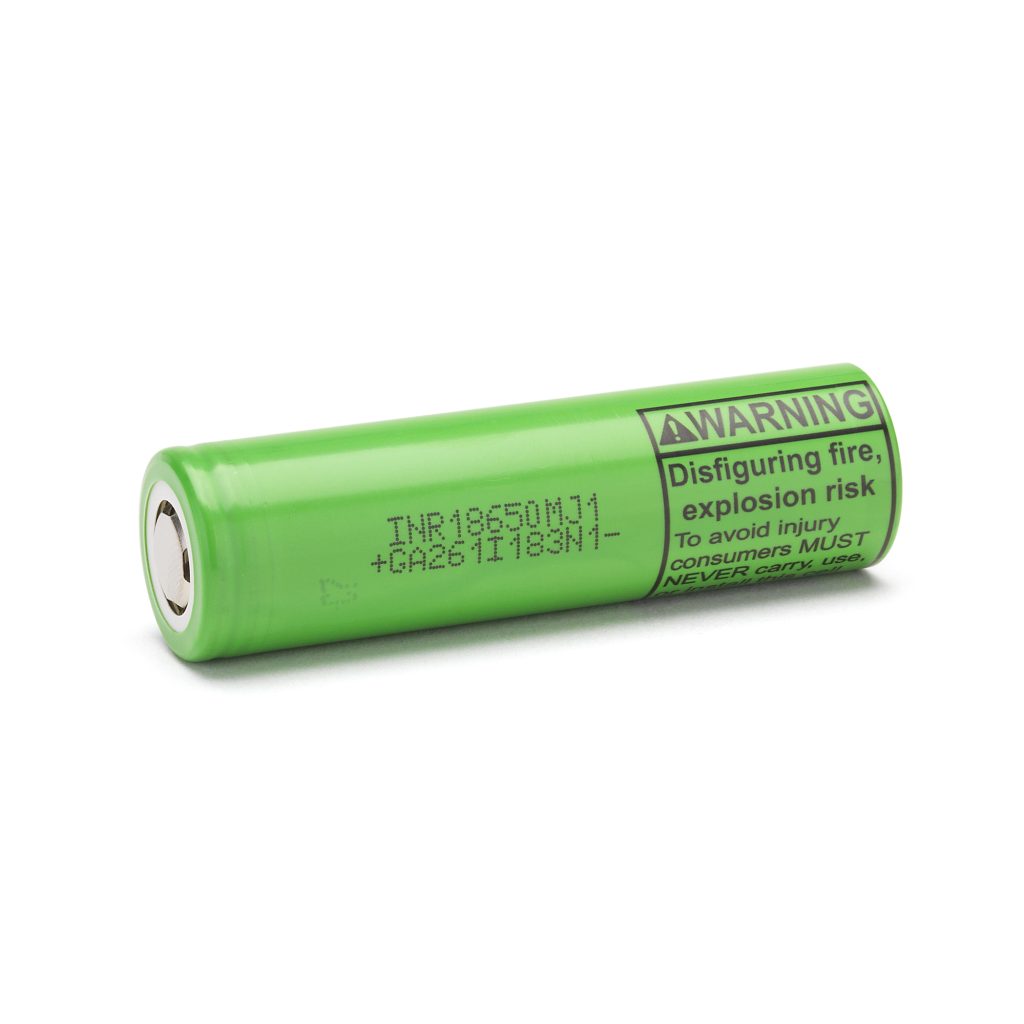
Lithium-ion batteries currently dominate the e-bike market, and for good reasons. They have a high energy density, which means they can store a large amount of energy in a relatively small and light housing. A typical lithium-ion battery for an e-bike weighs 2-3.5 kg and can have a voltage of 36V or 48V with a capacity of 10-20 Ah.
This type of battery has no “memory effect”, so it can be charged at any stage of discharge, and there is no need to fully discharge it before recharging. They also last longer, typically 500-1000 full charge cycles, which means 3-5 years of active use.
The main drawback of lithium-ion batteries is a higher price compared with other types. However, considering their durability and performance, the investment usually pays off, especially for those who use their e-bike intensively.
Lead acid batteries
Lead acid batteries were the first batteries used in electric bikes, but today they can only be found in older models or in very cheap vehicles. Their main advantage is a low price, which can be as much as 3-4 times lower than that of lithium-ion batteries of similar capacity.
Unfortunately, a lead acid battery can weigh as much as 3 times more than a lithium-ion battery of the same capacity. They also have a shorter service life, usually 200-300 charge cycles, which means you will have to replace them more often. In addition, lead acid batteries are more sensitive to low temperatures and need to be fully charged after each use to avoid damage from deep discharge.
Lead acid batteries can be a suitable choice for those who use an e-bike rarely or for short trips, where weight is not a critical factor.
Nickel metal hydride batteries
Nickel metal hydride (NiMH) batteries take an intermediate position between lead acid and lithium-ion batteries. Their energy density is higher than that of lead acid but lower than that of lithium-ion, and the price is also moderate.
NiMH batteries work well over a wide temperature range and are more resistant to overcharging than lithium-ion. They usually last 300-500 charge cycles, which means 2-3 years of active use.
The main drawback of NiMH batteries is that they have a “memory effect”, although not as pronounced as in the older nickel cadmium batteries. Because of this effect, it is recommended to fully discharge the battery before recharging, which is not always convenient for everyday use.
NiMH batteries are not a common choice on the e-bike market today, because lithium-ion technology has become more affordable and offers better characteristics in almost every area.
Factors that determine the right battery capacity
Battery capacity, measured in ampere hours (Ah), is only one of the parameters you need to consider. To choose a battery properly, you need to understand how different factors affect electric energy demand and battery performance.
How do you calculate the capacity you need based on distance and weight?
The amount of energy in a battery is measured in watt hours (Wh) and is calculated by multiplying the voltage (V) by the capacity (Ah). For example, a 36V battery with a 10 Ah capacity holds 360 Wh of energy. An average e-bike uses about 10-20 Wh of energy per kilometer, depending on riding conditions, assist level and the rider’s weight.
So, to calculate the maximum distance, we can use this formula:
Maximum distance (km) = Battery energy (Wh) / Energy consumption per kilometer (Wh/km)
For example, if you have a 360 Wh battery and your bike uses 15 Wh/km on average, the theoretical maximum distance would be:
360 Wh / 15 Wh/km = 24 km
In reality, however, many factors reduce this theoretical distance:
- a heavier rider increases energy consumption
- riding uphill significantly increases energy demand
- cold weather reduces battery efficiency
- a headwind increases resistance
- a higher assist level requires more energy
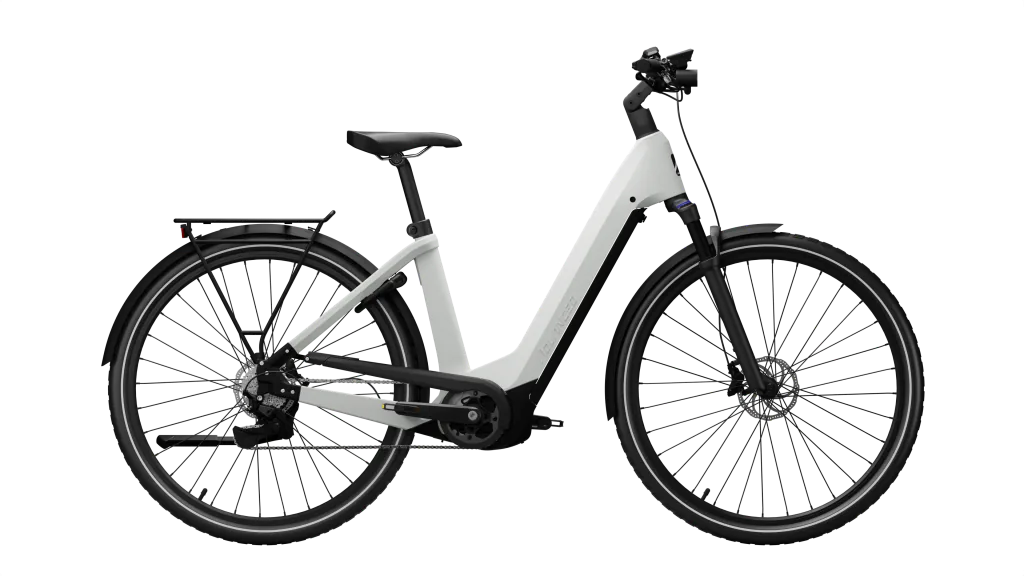
For this reason it is advisable to keep a reserve of at least 25% on top of the calculated theoretical distance. If you regularly ride 20 km trips, it would be sensible to choose a battery that could theoretically cover at least 25-30 km.
Why do the battery’s weight and mounting matter for the bike?
The weight of the battery and where it is mounted have a big influence on the bike’s overall balance, handling and comfort. Typical e-bike batteries weigh from 2 to 5 kg, depending on the type and capacity.
The most popular battery mounting positions:
- On the frame: the most common option, giving good weight distribution and a low center of gravity. This improves the bike’s stability and handling.
- Under the rear rack: popular on city bikes, where aesthetics and convenience matter. In this position the battery does not get in the way when you step onto the bike and does not take up space in the frame.
- Integrated into the frame: the most modern and attractive option, where the battery becomes an almost invisible part of the bike’s design. This solution improves aerodynamics and protects the battery from external factors.
For city bikes meant for daily trips, weight is usually not such a critical factor. For mountain bikes or sport models, where maneuverability and speed matter, it is worth choosing lighter, more compact batteries, even if that means a slightly lower capacity.
It is also worth considering whether the battery mounting system lets you easily remove the battery for charging or storage, especially if you live in an apartment and cannot charge the bike in a garage or basement.
Other important aspects of the choice (durability, maintenance, safety)
Besides capacity and physical parameters, durability, maintenance requirements and safety aspects must also be evaluated when choosing the power source for an e-bike. These factors can have a big impact on the overall user experience and on the value of the investment.
How do you extend the battery’s lifespan?
Proper battery care can significantly extend its service life and ensure optimal performance. Here are the most important tips:
- Avoid extreme temperatures: lithium-ion batteries work best at 10-30°C. Spending a long time in heat (above 40°C) or cold (below 0°C) can speed up battery degradation.
- Do not run it to full discharge: try to charge the battery when it reaches roughly 20% remaining energy. Full discharge can shorten the life of a lithium-ion battery.
- Avoid constantly sitting at a full charge: if you do not plan to use the bike for a few days, it is better to leave the battery charged to 80% rather than 100%. This reduces chemical stress and slows down capacity loss.
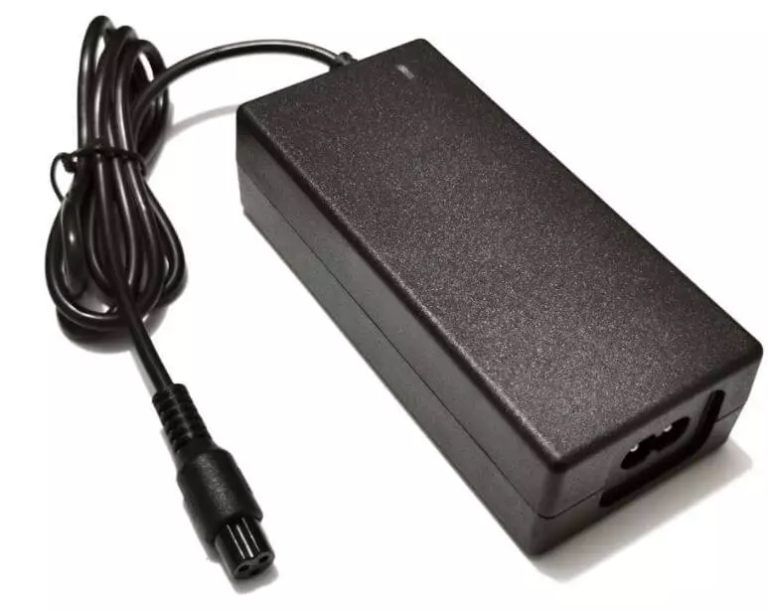
- Use the right charger: always use the charger recommended by the manufacturer, suited to your battery type and voltage.
- Use it regularly: even if you are not riding the bike, the battery should be discharged to half and charged again at least once a month to maintain an active chemical state.
The most common battery faults and how to avoid them
Even the best batteries can run into various faults, but by knowing the early signs and causes, more serious problems can be avoided:
- A noticeable drop in range: this is the most common sign of aging. If your bike used to do 40 km and now manages barely 25 km, it shows that the battery capacity has decreased.
- Charging problems: if the battery heats up quickly while charging, does not charge fully or the charger shows an error, it may be a sign of faulty cells.
- Uneven performance: if while riding you notice sudden power spikes, unpredictable behavior, or the bike switches off unexpectedly even though the indicator shows the battery still has energy.
- Physical changes: any swelling of the battery housing, leakage or unusual smell is a sign of a serious fault and requires you to stop using it immediately.
To check the condition of the battery, you can run a few simple tests:
- Fully charge the battery and observe how long or how many kilometers it lasts until discharge, compared with a new battery.
- Check the voltage with a multimeter: the voltage of a fully charged battery should be close to nominal (a 36V battery should show about 41-42V when fully charged).
- Many modern e-bikes have diagnostic systems that can be accessed through mobile apps or with diagnostic equipment at a workshop.
Important safety aspects when choosing a battery
Safety should be one of the top priorities when choosing a power source. Here is what to pay attention to:
- Certification: quality batteries should have CE, UL, RoHS or similar certificates confirming that they meet safety standards.
- BMS system (Battery Management System): this is an electronic control system that protects against overcharging, overheating and short circuits. Higher quality batteries have more advanced BMS systems.
- Protective housing: the battery should be placed in a housing that is resistant to impacts, water and dust. Many higher end batteries have an IP65 or IP67 protection rating.
- Manufacturer reputation: choose power sources from well known manufacturers such as Bosch, Shimano, Panasonic, Samsung or LG, which invest in quality control and safety testing.
For safety reasons, avoid products from very cheap, unknown manufacturers or “do it yourself” solutions, especially if you do not have specific technical knowledge. An improperly built battery poses a serious risk of fire and explosion.
When is it worth upgrading or replacing an e-bike battery?
Even the highest quality batteries wear out over time, and you have to decide about replacing them. Here are the main signs that it is time to consider getting a new power source.
One of the clearest signs is a noticeable drop in how well the charge is held. If a charge used to last a whole week of commuting and now you have to charge almost every day, it shows that the battery capacity has fallen considerably. Replacing the battery is usually worth considering when its capacity drops to 60-70% of the original.
If you notice any signs of physical damage, such as housing cracks, swelling, fluid leakage or an unusual smell, the battery should be replaced immediately, because this poses a serious safety hazard.
It is also worth considering a battery replacement in these cases:
- Your riding habits have changed: perhaps you now ride longer distances or on more demanding terrain.
- Technology has improved significantly: newer models can offer a larger capacity in a smaller and lighter housing.
- A repair would cost almost as much as a new battery: some manufacturers offer replacement of individual cells, but this is not always economical.
When choosing a new battery, first check that it is compatible with your bike’s electrical system: the voltage, connectors and mounting system must match. Many manufacturers offer specific models for their e-bike lines, but there are also universal solutions on the market.
If you intend to upgrade to a higher capacity battery, make sure that your bike’s motor, controller and wiring can safely work with higher power. Not all systems are designed to work with a battery of any size.
When weighing the original manufacturer against third party offers, it is worth knowing that the manufacturer’s batteries often offer better compatibility and reliability, but at a higher price. Third party solutions can be more economical, but they require more research into quality and compatibility.
After weighing all these factors, you will be able to make an informed decision about a new power source that best suits the needs of your electric vehicle and your riding style.
Conclusion
Choosing the right battery for an e-bike is a much more important process than it may seem at first glance. It determines not only the range, but also the overall riding experience, durability and the value of the investment in the long term.
Start by assessing your needs: what distances you ride regularly, what terrain prevails, how much weight you want to carry, and what your budget is. For most city dwellers riding up to 20 km a day, a 36V, 10Ah lithium-ion battery will work very well. People who like longer trips or hilly areas should consider 48V, 15-20Ah options.
Do not forget that a battery needs care: regular proper charging, storage at a suitable temperature and periodic use even in the off season can significantly extend its life. Invest in a quality charger and, if possible, keep the battery at a 40-80% charge level when you are not using it for a longer period.
Finally, remember that the cheapest option is rarely the most economical in the long run. A quality battery from a reliable manufacturer may cost more at first, but its longer service life, better performance and lower chance of faults usually pay back the initial investment.
After weighing all the factors discussed (type, capacity, mounting position, safety and durability) you will be able to make an informed decision that ensures your electric rides are enjoyable, reliable and economical for many years.
Frequently asked questions
How many kilometers can I ride on one charge with batteries of different capacities?
On average you can ride 30-120 km, depending on the battery capacity (Ah), the type of e-bike and your riding style. A 36V 10Ah battery will let you ride about 30-50 km, while a 48V 20Ah can deliver as much as 80-120 km in ideal conditions.
How often should I charge my e-bike battery?
Charge after most trips and avoid deep discharge. For optimal durability, keep the charge between 20-80%.
What are the main signs that my battery needs replacing?
A reduced range, difficult or slow charging, battery swelling and uneven power delivery are the main signs that it is time to replace the battery.
Can I upgrade my e-bike with a higher capacity battery?
Yes, if you check compatibility: make sure that your controller and charger can safely work with the new capacity.
How should I store my e-bike battery in winter?
Store it partly charged (about 50%), protected from severe cold, and top it up every few months.
