



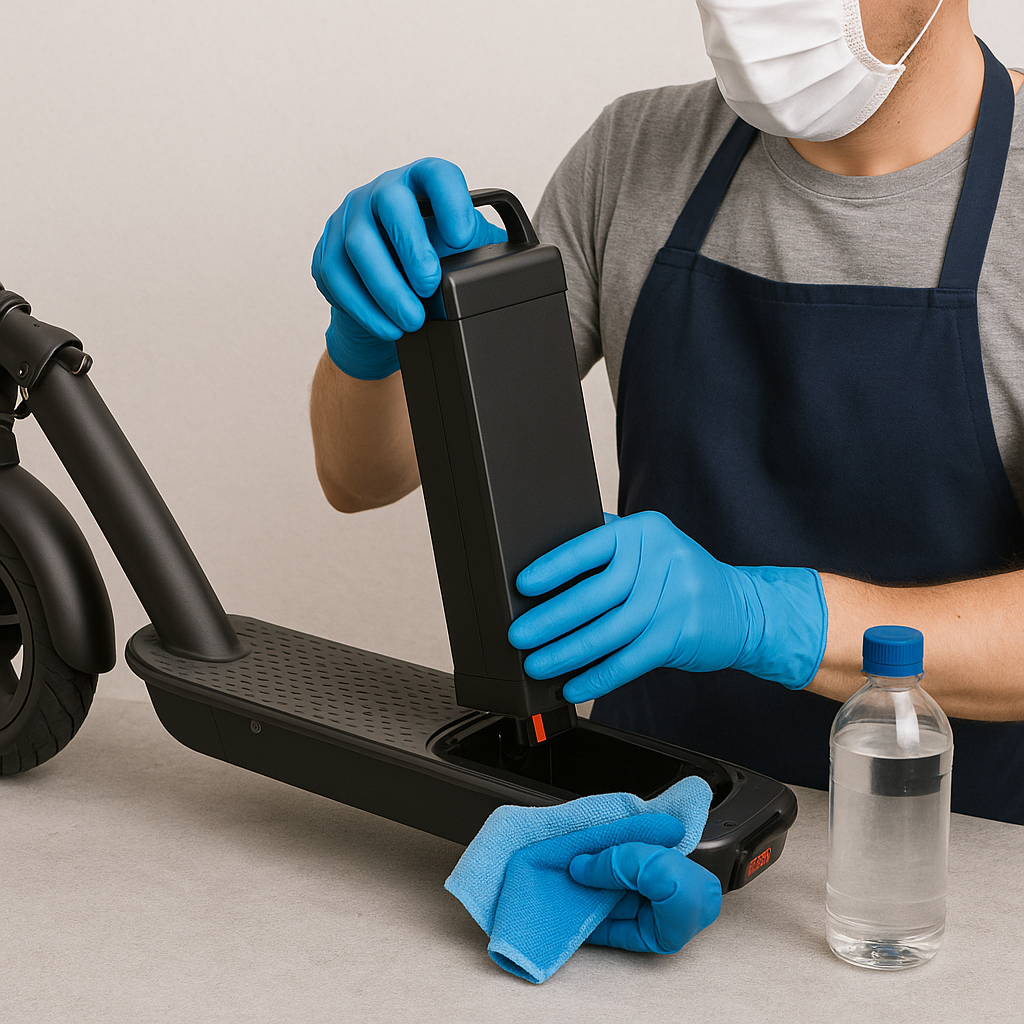
The e-scooter has become an everyday means of getting around for many Lithuanians, and its battery is one of the most important and most expensive parts, determining both the quality of the ride and the lifespan of the device itself.
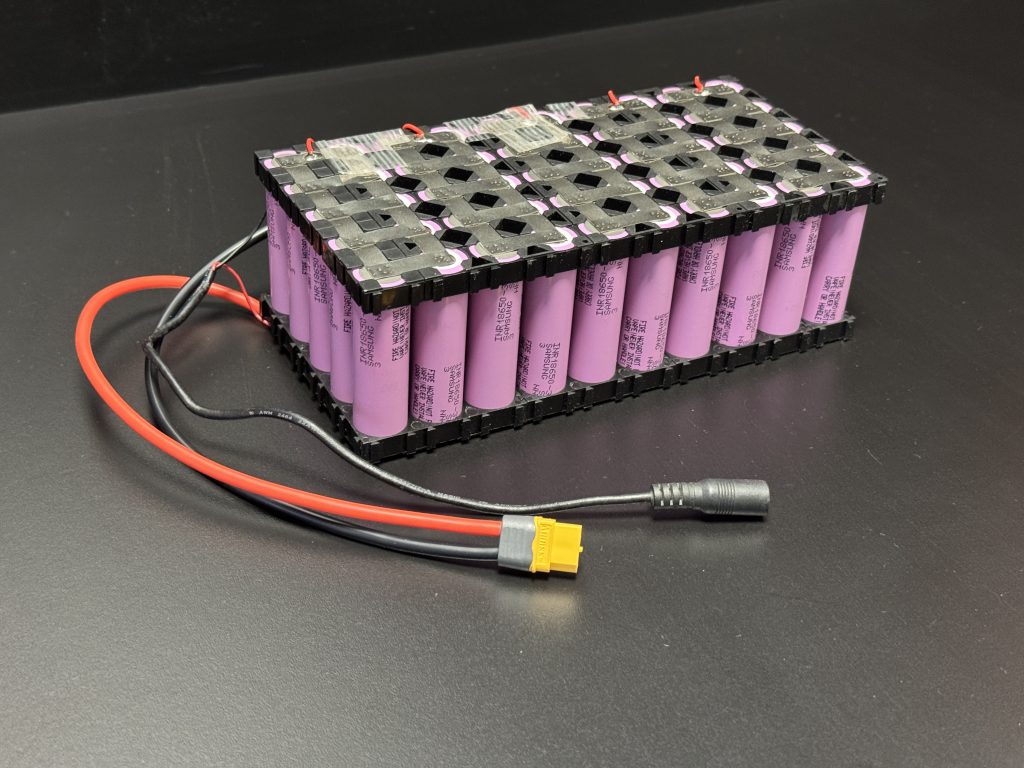
Proper battery care can extend its lifespan by several years, so looking after it wisely can save you a considerable amount of money and help you avoid unexpected transport disruptions.
In this detailed guide you will learn about the main types of e-scooter batteries, the right ways to charge, storage recommendations, and the most common problems and their solutions. All so that your vehicle serves you for a long time and reliably.
E-scooter battery types and their characteristics
Before getting into the details of maintenance, it is important to understand what technology we are dealing with. Most modern scooters use lithium-ion (Li-ion) or lithium iron phosphate (LiFePO4) batteries. These technologies replaced older nickel-cadmium batteries thanks to their higher energy density and better operating characteristics.
An e-scooter battery is described by two main parameters: capacity (measured in amp hours, Ah) and voltage (in volts, V). Most modern scooters use 36V or 48V systems, and battery capacity ranges from 5Ah to 20Ah. The higher these numbers, the further you can ride on a single charge.
By design, batteries are divided into:
- built-in: integrated into the scooter frame, harder to access
- removable: convenient to carry and charge separately from the scooter
Built-in batteries are usually better protected from the environment, but they are harder to service. Removable batteries offer flexibility, but they more often run into contact problems because of frequent removal and reinstallation.
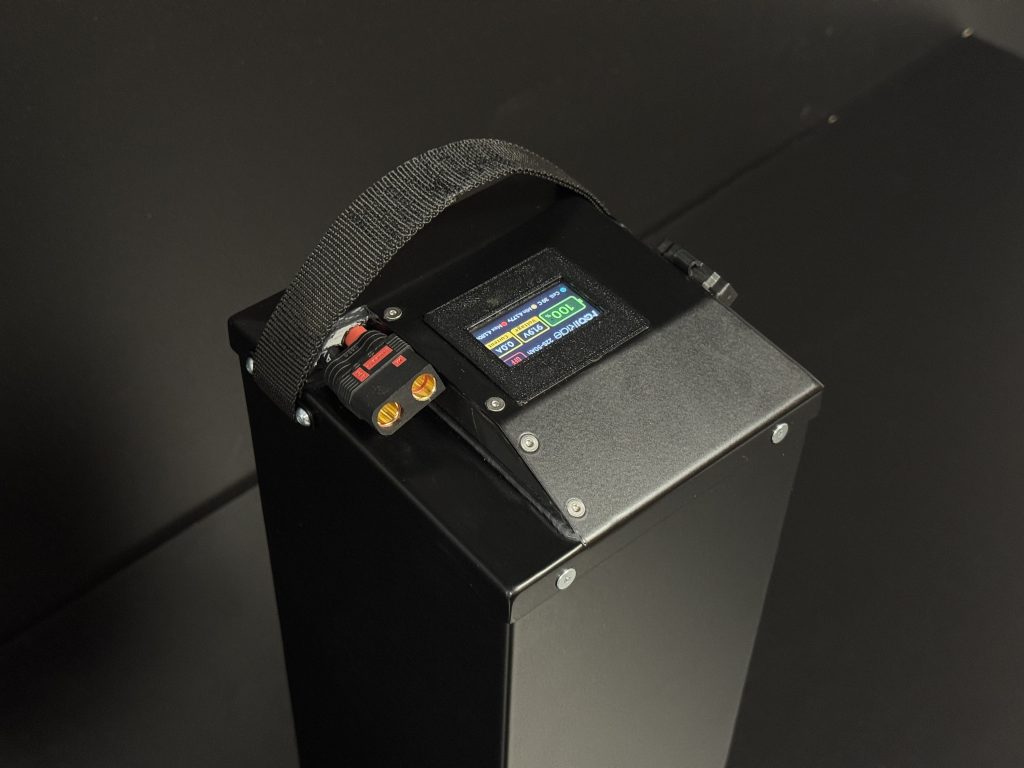
Charging recommendations for maximum battery life
The right charging routine is the key to a long e-scooter battery life. Although many of us believe that batteries should be fully discharged before charging, with modern lithium batteries this practice is harmful.
Optimal charging practices:
- start charging when the battery level drops to 20-30%, do not wait for it to run completely flat
- avoid leaving the scooter connected to the charger for a long time after it is fully charged
- use only the original charger or one recommended by the manufacturer
- let the battery cool down after a ride before you start charging
- charge at room temperature (15-25°C), and avoid charging in very cold or hot surroundings
Most newer lithium batteries do not have the so-called “memory effect”, so partial charges are even more beneficial than full discharges and charges. Still, once every 30-40 charging cycles it is recommended to let the battery discharge to about 10% and then charge it fully, which helps keep the battery management system calibrated.
The most common charging mistakes
- leaving the scooter connected to the charger overnight or longer
- using non-original, cheap chargers that do not meet the manufacturer’s specifications
- charging in extreme temperatures (below 0°C or above 40°C)
- charging a physically damaged battery
- charging in damp rooms or near water sources
Storage and seasonal care tips
In Lithuania, many scooter users have to store their vehicle seasonally during winter. Proper storage during this period can greatly affect the battery’s longevity.
The main battery storage rules:
- store in a clean, dry and cool room (at a temperature of 10-20°C)
- avoid direct sunlight and high humidity
- for long-term storage, charge the battery to 60-80% (neither full nor empty)
- if the storage period is longer than a month, check the charge level once every 1-2 months and, if needed, top it up to the recommended 60-80% range
- if possible, remove the battery from the scooter for long-term storage
Before putting the scooter away for a longer period, we recommend cleaning the contacts with a soft cloth or a special contact cleaner.
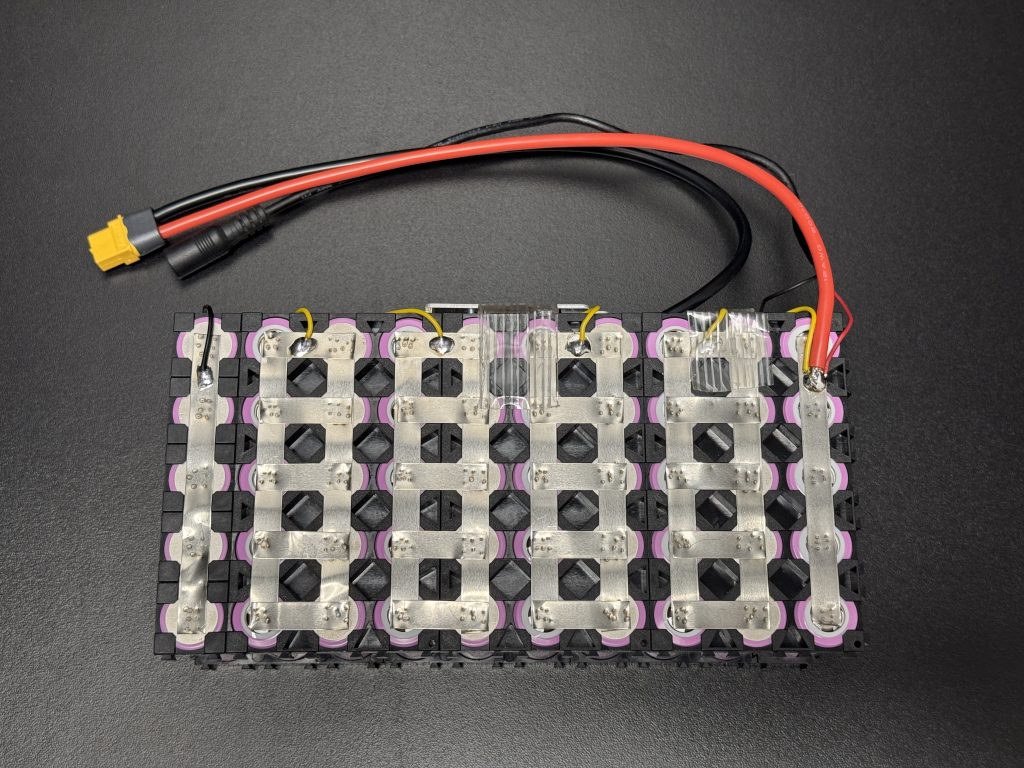
Do not pour liquids directly onto the battery connectors! Also check for any physical damage that should be fixed before the new season starts.
Representatives of Xiaomi, Ninebot and other manufacturers in Lithuania advise making sure, before longer storage, that the scooter’s software is up to date, because this can also affect the efficiency of the battery management system.
The most common battery problems and how to solve them
Even with the most careful maintenance, e-scooter batteries sometimes develop faults. It is important to know how to recognise them and what to do.
The main signs of a problem:
- a significantly reduced range on a full charge
- the battery no longer charges or charges very slowly
- unusual heating during use or charging
- battery swelling or physical deformation
- unusual sounds during operation
Initial troubleshooting checklist:
- Check that the charger works: try another reliable charger.
- Inspect the contacts: dirt or corrosion can interfere with efficient charging.
- Check that the cable is not damaged: cracks or kinks can interfere with energy transfer.
- If the battery is removable, try cleaning the contact points.
- Watch the charging process: do the indicator lights show normal charging.
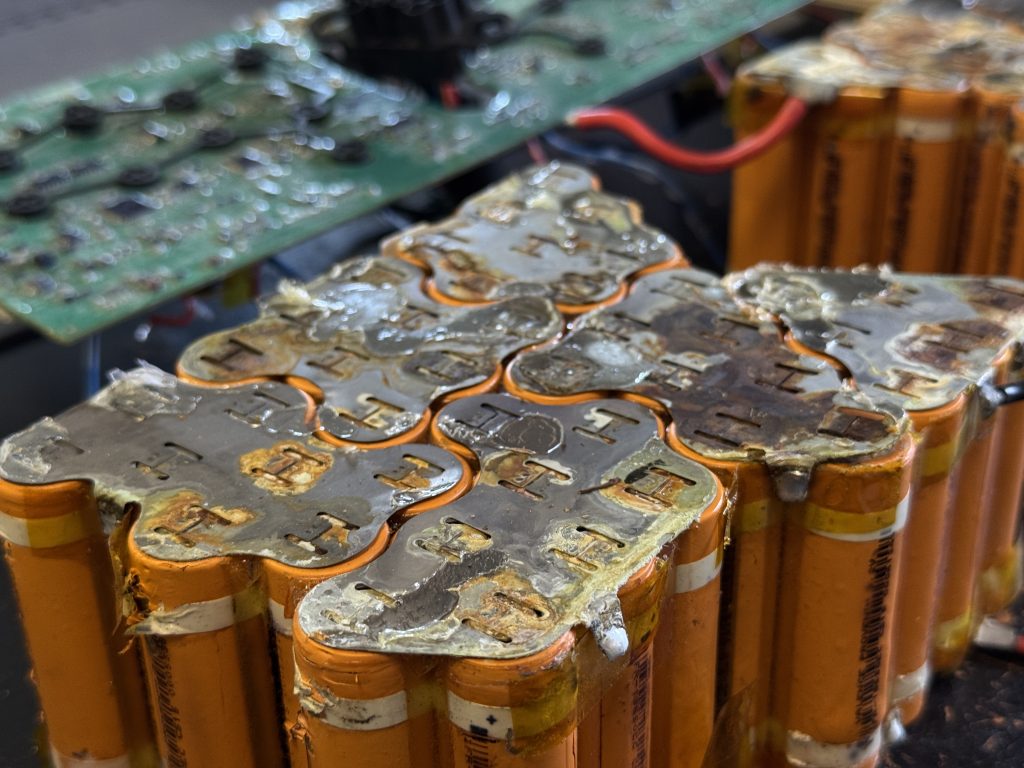
Some problems can be solved yourself, for example cleaning the contacts or updating the software. However, physical battery damage, swelling or unusual heating signal more serious problems that need professional attention. In such cases we recommend contacting specialised e-scooter repair centres.
Important: Never try to take apart or repair physically damaged batteries yourself, as this poses a risk of fire and explosion!
Regular maintenance and extended battery protection
To extend the life of your scooter’s battery as much as possible, it is worth adopting a few regular maintenance practices. These simple but effective procedures will help ensure optimal performance and spot potential problems early.
Regular checks should include:
- monitoring the condition of the battery contacts: they must be clean and free of corrosion
- checking the connections: whether there are any loose wires or connectors
- inspecting the battery casing: whether any cracks or deformations are visible
- monitoring the range: if you notice a sudden drop, it may indicate battery degradation
Many newer scooter models have apps in which you can monitor the battery condition. Update the scooter’s software regularly, because manufacturers often improve their battery management algorithms to improve energy efficiency and battery life.
The way you ride the e-scooter also has a direct effect on battery longevity. Try to ride smoothly and avoid sudden accelerations and braking, which can increase the load on the battery. If possible, avoid riding at top speed for long periods, as this demands a lot of battery power and causes higher energy consumption.
When riding in cold weather (below 5°C), keep in mind that battery efficiency drops. Plan shorter trips and, if possible, keep the scooter at room temperature before use, which lets the battery reach its optimal operating temperature.
Conclusions
By looking after your e-scooter battery properly, you can not only extend its lifespan, but also ensure safe and reliable everyday use. The main rules worth remembering:
- charge regularly, without waiting for it to run completely flat
- use only original or certified chargers
- store at a suitable temperature and humidity
- check and clean the contacts regularly
- for longer storage, leave the battery at a 60-80% charge level
- pay attention to any unusual signs in how it works
Although modern e-scooter batteries are built to last several years, their actual lifespan depends heavily on daily care and usage habits. By following the recommendations in this guide, you can enjoy reliable transport and avoid unnecessary spending on new batteries.
Responsible battery care not only extends its lifespan, but also contributes to more sustainable consumption by reducing the amount of electronic waste.
This is good for both your wallet and the environment.
Frequently asked questions
How often should I charge my e-scooter battery?
Charge when the battery level drops to about 20-30%. Avoid running it completely flat and do not keep the battery fully charged all the time.
Can I use a different charger if I lost the original?
Use only chargers that match the voltage, current and connector specifications given by your scooter’s manufacturer, to avoid damage.
What is the best way to store an e-scooter in winter?
Store it in a dry room with a constant temperature, with the battery charged to 60-80%. Check and top up the battery every 1-2 months.
How do I know if my battery needs replacing?
Signs include a significantly reduced range, difficulty charging, or visible swelling/damage. Always consult a specialist before replacing.
Is it safe to repair a damaged battery myself?
No, a physically damaged battery poses a risk of fire or explosion. Always contact a qualified repair service for battery replacement or repair.
