



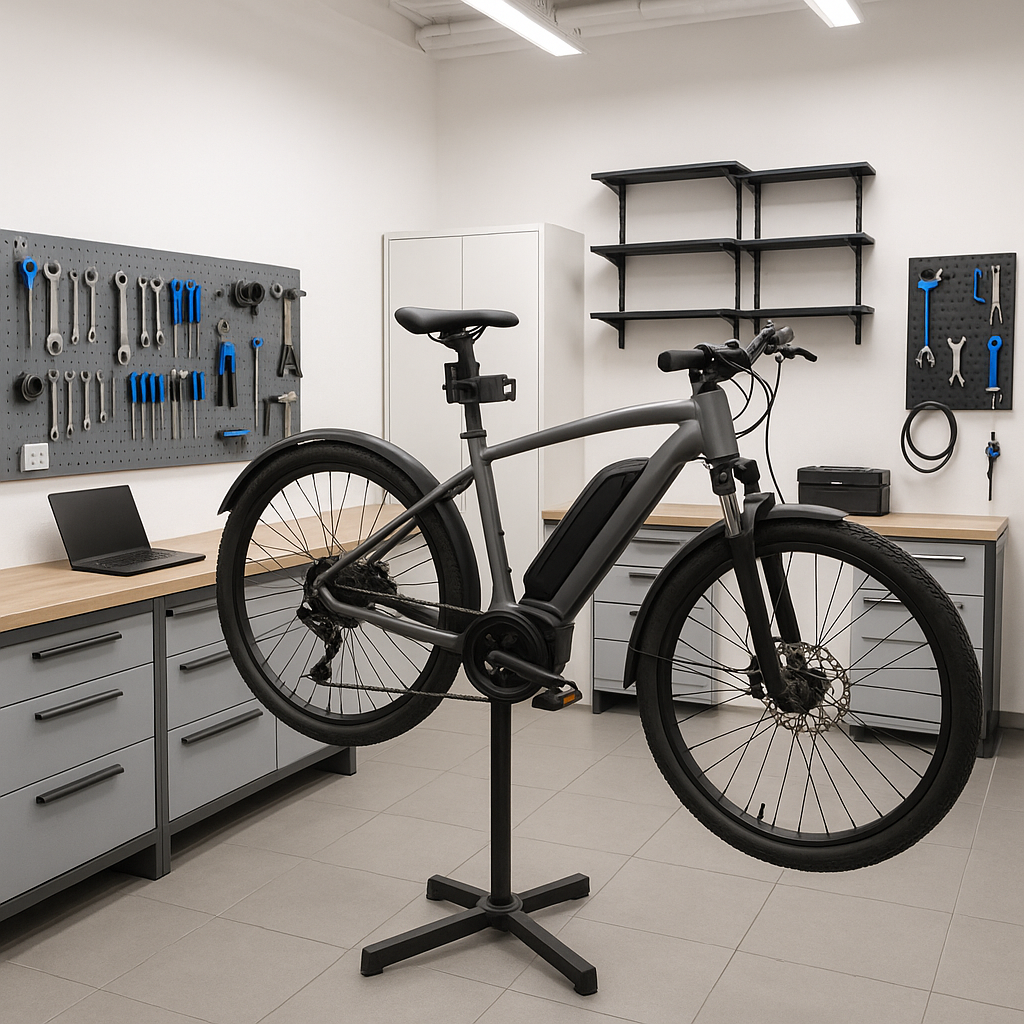
Electric bikes are becoming more and more popular in Lithuania, not only because of an eco-friendly approach to transport, but also because they make getting around the city convenient and efficient.
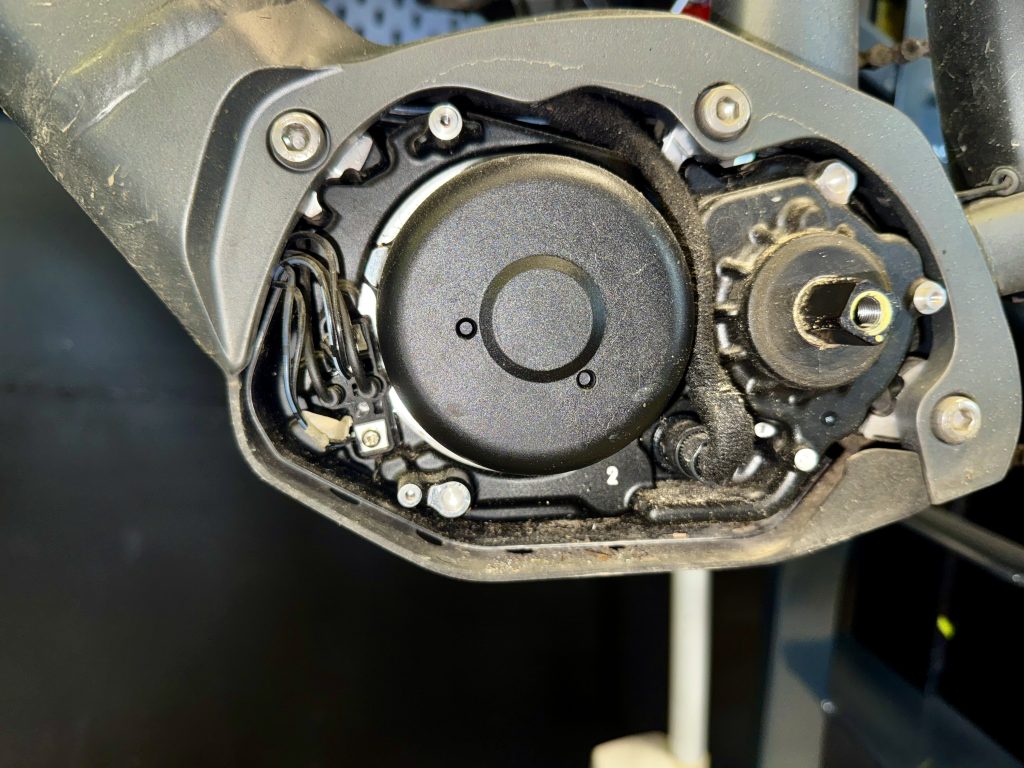
These modern vehicles combine an ordinary bicycle with an electric motor and a battery, which gives their mechanics a unique complexity. Although e-bikes offer many advantages, maintaining and repairing them takes specific knowledge, especially given their electronic components.
It is important to understand that repairing electric bikes is different from fixing traditional bicycles. These bikes have more complex components: a battery, a motor, control systems and electronic sensors. In this article we will go through the most common causes of e-bike faults, look at the options for DIY and professional repair, and give you important tips for making your vehicle last for years.
The most common electric bike problems
To deal with electric bike problems effectively, it is important to know which types of faults come up most often. Let us look at the main problem categories and their signs.
Battery faults: symptoms and solutions
The battery is one of the most expensive and most problematic components of an electric bike. Here are the most common battery issues:
- a shrinking range: the battery no longer holds its charge as long as it used to
- incomplete charging: the battery does not reach 100% charge
- a sudden loss of power while riding, especially on climbs
- the charger overheating or not working when charging the battery
- external battery damage (swelling, cracks)
Solutions: You can usually check the contacts for oxidation and clean them with a special cleaner.
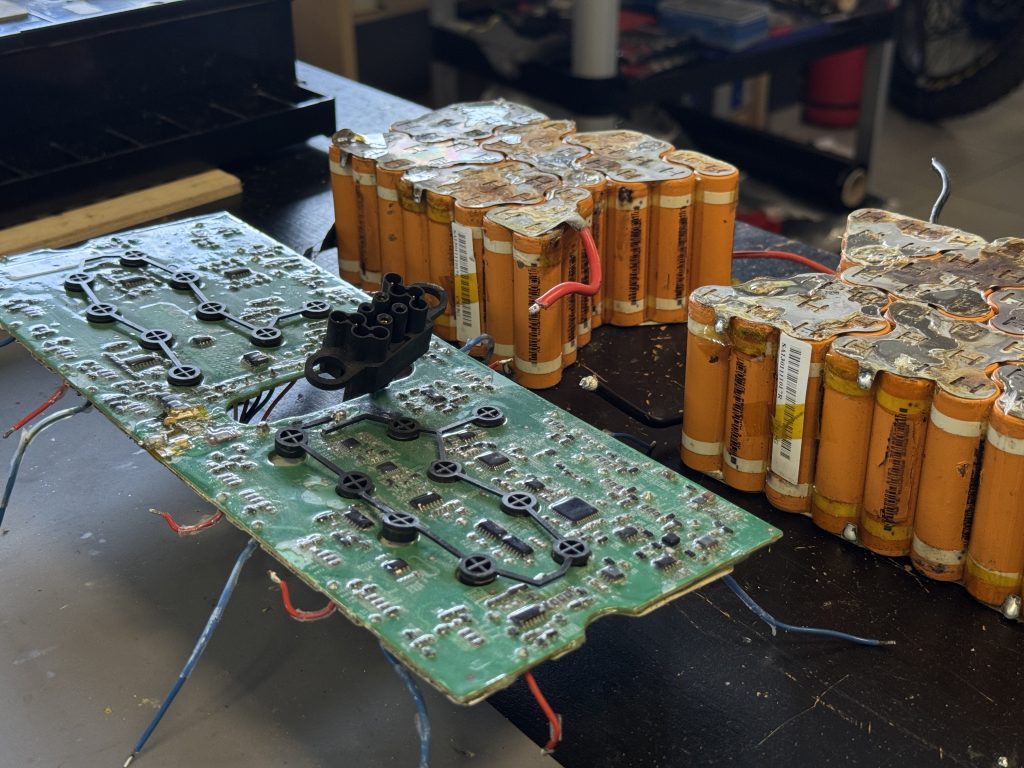
For charger problems, it is worth buying a new original charger. However, repairing the internal battery cells needs specialists, because improper repair can cause a fire or even an explosion.
Motor problems: how to recognise them and what to do
The motor of an electric bike is usually one of its most reliable components, but it can also cause trouble:
- unusual noise while riding (rattling, squeaking)
- jerky assistance when pedalling
- the motor not working at all
- excessive motor vibration
- overheating during use
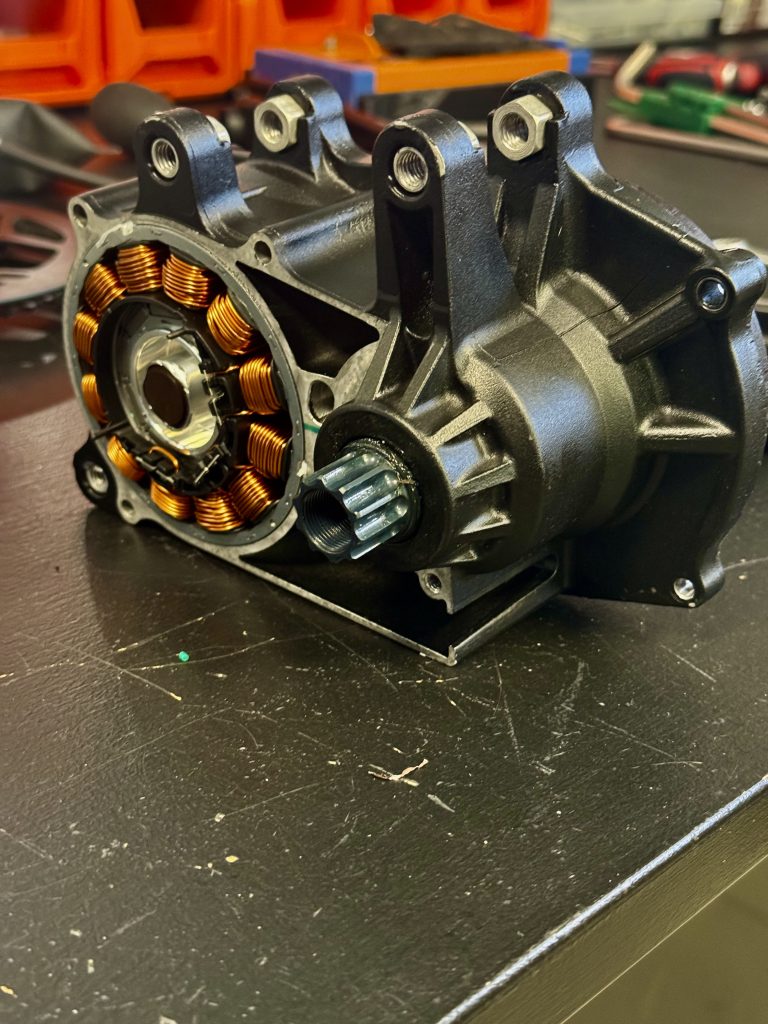
Solutions: Some motor problems can be solved by checking the connectors and wires. Sometimes it is enough to simply reconnect the contacts. However, more serious faults, especially those involving the internal motor components, need professional help. Taking the motor apart yourself can damage the bike and void the warranty.
Electronic control system faults
Modern e-bikes have complex control systems, which often become a source of faults:
- the display shows no information or shows incorrect data
- the control buttons do not respond when pressed
- incorrect speed readings
- the system does not switch on or switches off while riding
- error codes on the display
Solutions: First, it is worth checking whether the problem is a software one: switch the system off and on again. Check all wire connections and contacts. Sometimes resetting the system to factory settings helps (if there is such a function). For more complex electronics faults, we recommend contacting specialists.
Electric bike repair options: at home or with specialists?
When you run into e-bike faults, a dilemma arises: try to fix it yourself or leave the job to professionals. Both options have advantages and disadvantages that are important to weigh up.
Advantages and risks of DIY repair
Advantages:
- the chance to save money, especially on simple repair jobs
- a convenient time for the repair: no need to fit in with a visit to a specialist
- new knowledge and skills, and a deeper understanding of your bike
- the chance to quickly fix minor faults
Risks:
- losing the warranty: many manufacturers automatically void the warranty if the bike has been repaired by the owner
- the risk of additional damage from improper repair
- safety problems, especially when working with the battery or the electrical system
- a lack of special tools and parts
Under Lithuanian consumer protection law, an electric bike warranty is valid only if its maintenance and repair are carried out in line with the manufacturer’s requirements. So before you start any repair yourself, you must read the warranty terms.
Which jobs can you do yourself?
Some repair jobs can be done safely and without affecting the warranty:
- replacing brake pads
- replacing tyres and repairing inner tubes
- cleaning and lubricating the chain
- cleaning corrosion off surface contacts
- replacing simple mechanical parts (saddle, grips)
When must you turn to specialists?
It is better to leave these problems to professionals:
- any internal battery faults
- motor repair or replacement
- repair of electronic control systems
- software updates
- complex bike diagnostics
A professional e-bike workshop has special diagnostic equipment that lets it pinpoint faults accurately and fix them without damaging components. They can also make sure the repair will not affect the warranty terms.
Typical repair mistakes and how to avoid them
Repairing an electric bike yourself often involves common mistakes, which can lead to additional faults or even create a safety hazard.
The most common mistakes during repair
- using unsuitable parts: not all components are universal, and incompatibility can cause serious problems
- not enough care when working with the electrical system: if you do not disconnect the battery, you can cause a short circuit
- wrong diagnosis: treating the symptoms instead of fixing the underlying problem
- using the wrong torque: bolts tightened too hard can damage parts
- moisture getting into electronic components during the repair
- ignoring software problems
How to avoid repair mistakes
To avoid the most common mistakes, we recommend:
- always switching off and disconnecting the battery before you start work
- using only parts that are compatible with your bike model
- consulting the manufacturer’s technical documentation
- using the right tools and torque wrenches
- working in a dry environment, protecting electronic components from moisture
- photographing the original position of the parts before taking things apart, so reassembly is easier
- if you are not sure about the repair process, consulting specialists instead
Professional electric bike repair ensures not only a quality fix for faults, but also a longer service life for the bike.

For complex problems, we recommend contacting a certified workshop that specialises in electric bike maintenance.
Choosing reliable parts
When choosing parts for a DIY repair, pay attention to:
- how well the parts fit your bike model
- the manufacturer’s recommendations
- original or equivalent high-quality parts
- the warranty terms for the parts you buy
Cheap non-original parts may look attractive because of the price, but in the long run they can cause more problems and increase the total cost of the repair.
Electric bike maintenance tips for long-lasting performance
Regular maintenance is the best way to avoid major faults and keep your electric bike running smoothly for a long time. Responsible daily and periodic care can significantly reduce the need for serious repairs.
Battery care
The battery is the most expensive part of an e-bike, so looking after it properly is especially important:
- avoid fully discharging the battery: the ideal charge level is between 20% and 80%
- protect the battery from extreme temperatures, both heat and cold
- if you will not use the bike for a long time (for example in winter), store the battery charged to 50-60% in a cool, dry place
- use only the original charger
- regularly check the battery contacts for signs of corrosion
Mechanical parts maintenance
Do not forget that an electric bike also has traditional mechanical parts:
- clean and lubricate the chain regularly
- check the condition of the braking system
- keep the tyre pressure correct
- periodically check all bolts and nuts for any that have come loose
- dry the bike thoroughly after riding in wet conditions
Electronic components maintenance
The electronic system needs special care:
- protect the control system from moisture
- regularly check the wire connections and contacts
- follow the manufacturer’s notices about software updates
- check the motor connectors for loose contacts
Seasonal maintenance
Before and after the active season we recommend:
- giving the bike a full check-over
- having diagnostics done at a certified workshop in spring
- at the end of the season, preparing the bike for winter (especially the battery)
- putting together a small repair kit for unexpected situations
A regular professional check at least once a year can prevent many potential problems and extend the life of your electric bike. Many specialists recommend having diagnostics done before the start of a new season.
Summary
Electric bike maintenance and repair require specific knowledge and skills. Although some jobs can be done yourself, more complex faults, especially those involving the electrical system, the battery or the motor, should be left to professionals. Regular maintenance, proper use and timely diagnostics will help you avoid major faults and make sure your bike lasts for years.
Do not forget that repairing electric bikes is not only a technical matter but also a safety one: an improperly repaired bike can put the rider at risk. So if you doubt your ability to carry out a repair, always consult specialists. An investment in quality maintenance pays off in the long run with fewer faults and a longer life for your electric bike.
Frequently asked questions (FAQ)
What are the signs of electric bike battery failure?
The battery drains quickly, does not charge fully, or the bike unexpectedly loses power while riding.
Can I repair an electric bike motor myself?
You can carry out basic diagnostics, but internal motor repairs should be left to qualified technicians because of their complexity and the safety risks.
Does repairing it yourself void the electric bike warranty?
Most manufacturers void the warranty if unqualified people carry out the repair. Always check the specific warranty terms.
How often should I have my electric bike serviced?
Many experts recommend a professional check every 6-12 months or before every cycling season.
What safety precautions matter when working on e-bikes?
Always disconnect the battery, use insulated tools and keep electrical components away from water.
