



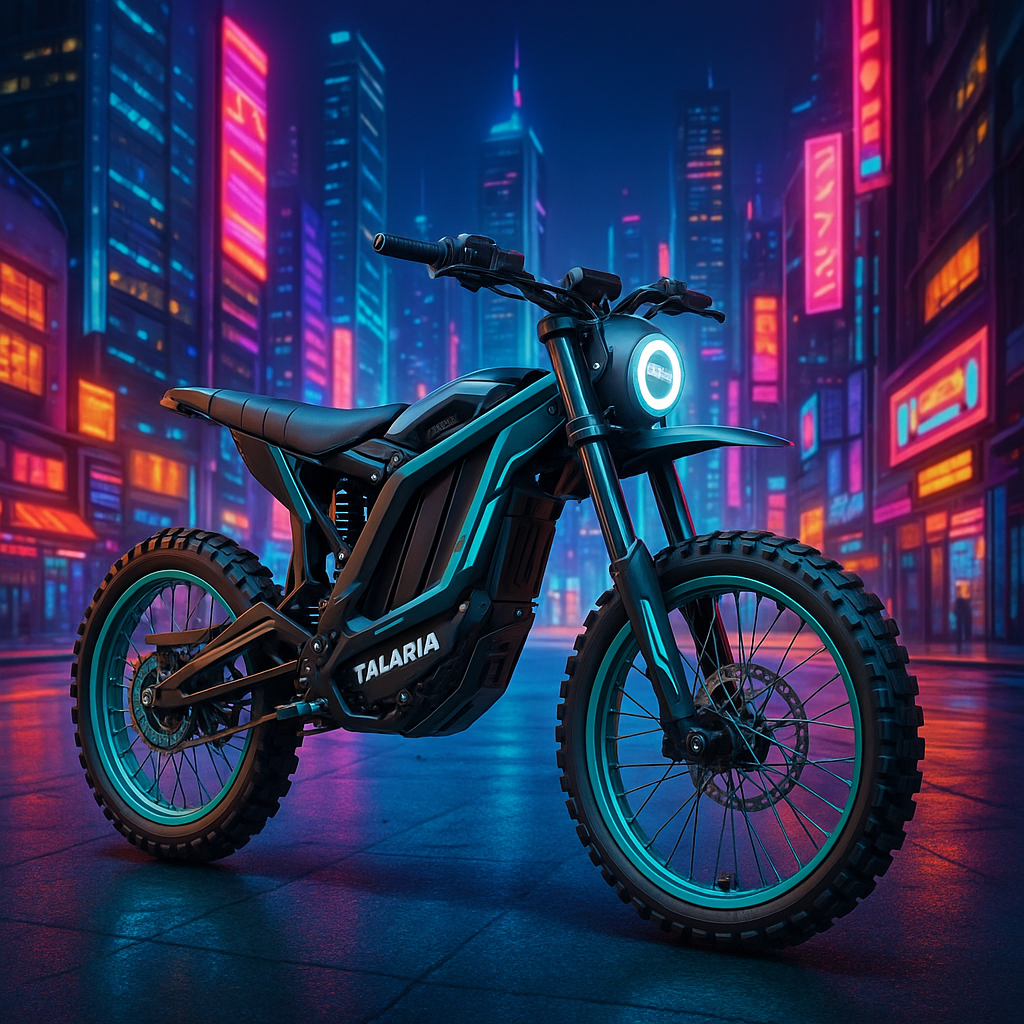
Talaria tuning: how to improve an electric motorcycle legally and safely?
Tuning Talaria electric motorcycles in Lithuania is becoming more and more popular among enthusiasts looking for ways to improve the power, speed and functionality of their vehicles.

However, balancing improved performance, compliance with legal requirements and safety brings quite a few challenges. Modifying electric motorcycles takes careful preparation and knowledge, to avoid not only technical problems but also legal consequences.
In this detailed guide we will look at how to tune Talaria electric motorcycles properly while keeping a balance between improved power and safety. You will learn about the factory limits of Talaria bikes, the legal aspects of modifications in Lithuania, safety measures and the recommended upgrades that can give your electric motorcycle a new lease of life without breaking the law or compromising safety.
Understanding Talaria factory capabilities and limits
Before you start any Talaria tuning, it is essential to understand well how these electric motorcycles are built at the factory and what limits the manufacturer has put in place. This gives you a solid foundation from which to start planning your modifications.
Factory settings and technical specifications
Talaria electric motorcycles have impressive factory specifications, but they also come with certain limits:
- Power output is usually limited to 3-5 kW, depending on the model
- Top speed is most often limited to 45-70 km/h
- Battery capacity ranges from 1.8 kWh to 4.8 kWh
- An electronic riding mode system with 2-3 modes is fitted
- Factory weight: from 65 to 85 kg (depending on the model)
Although these figures are enough for most beginners, more advanced riders often feel the limits, especially in top speed and power. Many owners also notice that the battery runtime could be longer, especially under more intensive use.
Factory software and operating limits
The software of Talaria electric motorcycles is designed both to keep the motorcycle safe and to meet the requirements of different countries. The main software limits include:
- A speed limiter set according to local laws
- Power limiting, which ensures a longer battery life
- An electronic control unit (ECU) that controls the motor response
- A battery management system (BMS) that protects against overcharging
These limits are in place for legal reasons and for safety, but some of them can be modified without affecting the warranty. For example, on many models you can carry out simple software updates that change the response characteristics while keeping the safety functions. If you are looking for professional advice on software updates, specialised electric motorcycle workshops can offer certified solutions.
Legal aspects: what is allowed when modifying a Talaria?
Before making any modifications, you must understand the legal requirements that apply to electric motorcycles in Lithuania and the EU. Knowing the law properly will help you avoid fines and make sure your vehicle stays legal on the roads.
Lithuanian and EU regulation of electric motorcycles
In Lithuania, electric motorcycles are classified by several criteria, which directly affect the modifications that are allowed:
- L1e category vehicles (mopeds): top speed up to 45 km/h, motor power up to 4 kW
- L3e category vehicles (motorcycles): power above 4 kW, no speed limits
- To ride on public roads, the vehicle must have a type approval and meet the approval requirements
- Front and rear lighting, turn signals and number plate lighting are mandatory for road traffic
It is important to note that if you change a vehicle’s power or speed so much that it moves into another category, a new registration and certification are required. For example, if an L1e category Talaria is modified to exceed 4 kW of power, it becomes an L3e category vehicle, which is subject to different requirements.
Possible modifications
Here are the main permitted and prohibited changes that are important to know when planning Talaria tuning:
- Cosmetic changes (colours, stickers, trim elements, CNC parts)
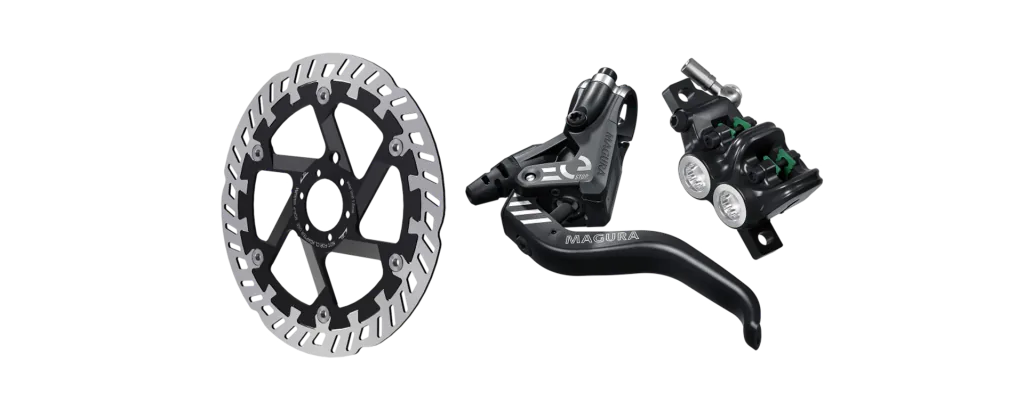
- Brake system upgrades (better quality brake discs, pads)
- Replacing suspension components
- Improving ergonomics (seat, handlebar position adjustment)
- Replacing the battery with a higher capacity and more powerful one
- Improving the lighting
- Increasing top speed by changing the controller
- Increasing power by changing the controller
- Modifying the frame or main structural elements
Safe tuning: balancing power and rider safety
When modifying a Talaria, safety should come first.
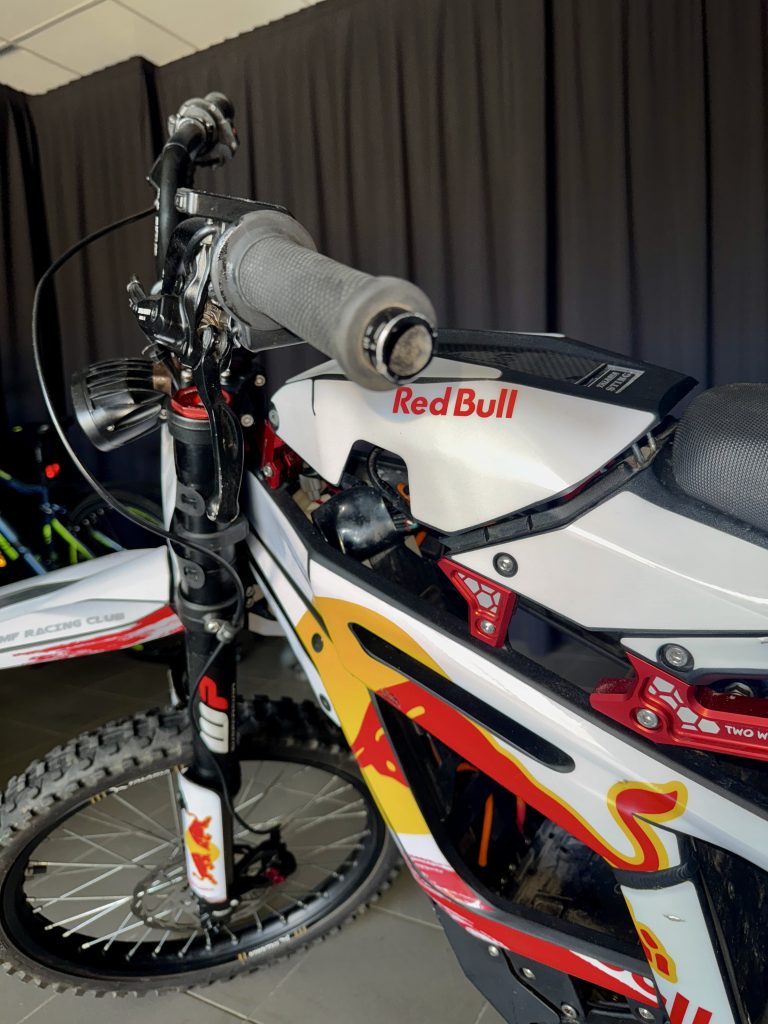
Even for legal modifications, you must make sure they will not harm the vehicle’s stability or the rider’s safety.
Dangers of improper tuning
Improperly done modifications can have serious consequences:
- Increased power without matching brake system upgrades lengthens the stopping distance
- Overloading the motor can cause overheating and failures of electronic components
- Poorly balanced suspension reduces handling performance
- Battery modifications without a proper protection system create a fire risk
- Software changes can switch off critical safety systems
Before starting any Talaria tuning, you must assess your own level of technical knowledge and, if necessary, turn to professionals such as FabiRide. It is especially important to remember that the high voltage systems of electric vehicles bring specific safety issues that traditional motorcycles do not have.
Essential safety upgrades after tuning
After increasing a motorcycle’s power or speed, you must improve the following systems accordingly:
- Brake system: better quality discs, hydraulic system upgrades, replacing the pads with more heat resistant ones
- Suspension: adapting the shock absorbers and springs to the higher speed and loads
- Tyres: fitting higher quality tyres with better grip
- Cooling system: additional cooling for the electronic components, especially the controller
- Battery protection: installing a more advanced battery management system (BMS)
We recommend choosing components from well known manufacturers that are designed specifically for electric vehicles. In Lithuania there are a few specialised workshops offering professional safety upgrade packages for Talaria motorcycles after tuning. It is especially worth investing in upgrading the brake system, which is critical for safe riding.
Recommended upgrades and tuning methods
Taking legal and safety requirements into account, you can choose from several effective ways to improve a Talaria. These upgrades can significantly improve your motorcycle’s performance without breaking the law.
Battery upgrades
The battery is one of the most important components of electric motorcycles, and upgrading it can noticeably improve performance:
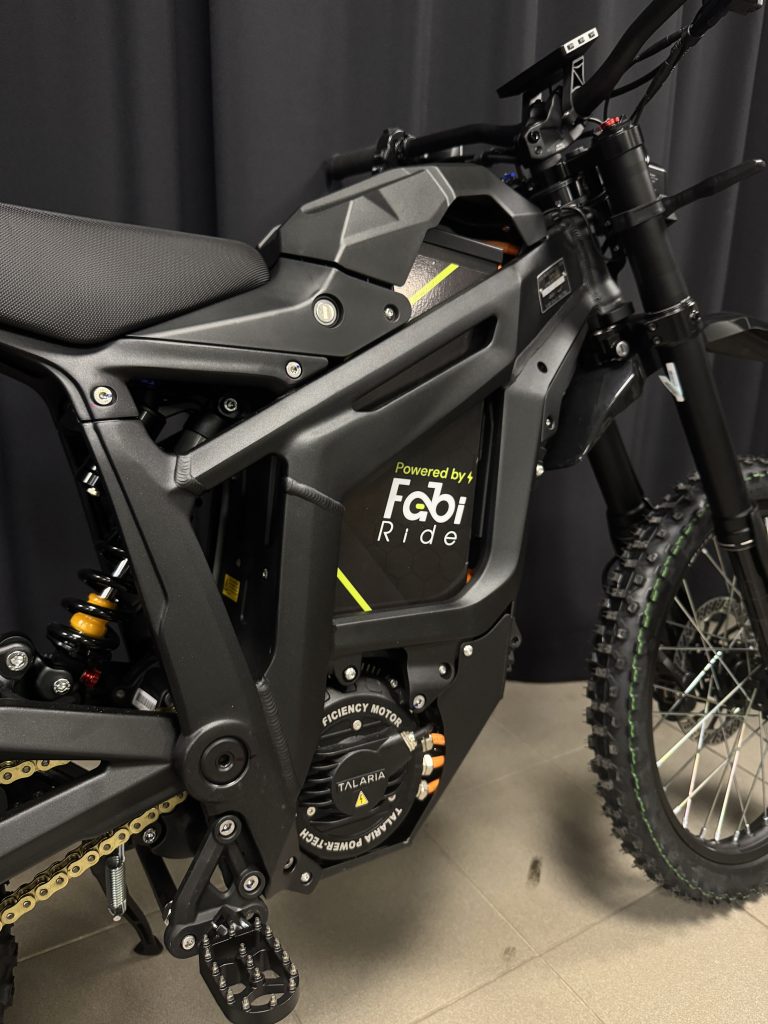
- Increasing capacity: adding extra battery cells while keeping the same voltage but increasing the number of amp hours
- Battery technology: moving to more advanced lithium-ion batteries with a higher energy density
- Battery management system (BMS): better BMS solutions that make it possible to use the battery’s resources more optimally
- Fast charging options: improving adapters and charging systems to shorten charging time
It is important to note that replacing the battery should be done while keeping proper cooling and protection against mechanical damage. In Lithuania’s climate it is also worth thinking about battery heating systems for the cold season, because low temperatures can reduce battery capacity.
Motor and controller modifications
Upgrading the motor and its controller can significantly improve the power and speed characteristics of a Talaria:
- Controller upgrade: more advanced controllers allow more precise control of power delivery and improve energy efficiency
- Improving the cooling system: additional fans or cooling elements that ensure an optimal operating temperature
- Optimising the motor windings: specialised workshops can modify the motor windings to improve efficiency
- Fitting more powerful magnets: on some models it is possible to replace the motor magnets with stronger ones
These modifications require deeper technical knowledge and often professional help. You must make sure the upgrades do not exceed the legal power limits if you plan to use the vehicle on public roads.
Software and hardware tuning: which is better?
For Talaria tuning you can choose software or hardware modifications, and each has its own advantages and disadvantages:
Software tuning:
- Advantages: lower costs, easier to return to factory settings, no mechanical changes needed
- Disadvantages: limited scope of modification, limited compatibility with some models, software conflicts may arise
- Popular solutions: reprogramming the motor controller, modifying the power curve, changing speed limiter settings
Hardware tuning:
- Advantages: greater modification potential, long lasting solutions, the chance to improve performance significantly
- Disadvantages: higher costs, more complex to carry out, some changes are irreversible
- Popular solutions: more powerful controllers, increasing battery capacity, upgrading cooling systems
The best solution is often a combination of software and hardware modifications. For example, a controller upgrade together with reprogramming it can give the best results. Specialised electric motorcycle tuning workshops can offer complete solutions tailored to the needs of your specific Talaria model. When deciding, you must take the warranty terms into account, because some changes may void it.
Optimising the suspension and chassis
Whether you are increasing speed or power, optimising the Talaria suspension and chassis is an essential step in maintaining optimal handling characteristics:
- Replacing the shock absorbers: higher quality shock absorbers with adjustable damping can improve handling significantly
- Spring stiffness: changing the springs to suit the rider’s weight and riding style
- Geometry adjustment: modifying the shock absorber mounting points, which changes the motorcycle’s geometry
- Wheel modifications: lighter rims or tyres with a different profile can improve handling and acceleration
Suspension modifications are among the safest areas of tuning from a legal point of view, but they must be carried out with an understanding of motorcycle dynamics. Improper suspension setup can spoil the riding experience and create a safety risk.
Conclusions and recommendations
Tuning Talaria electric motorcycles can bring many benefits, from improved performance to a longer battery life. However, it is important to approach the process responsibly and thoughtfully:
- Always start by finding out the legal requirements and stay within the limits set for your category
- Give priority to upgrading safety systems before increasing power or speed
- Assess your own level of technical knowledge and, if necessary, turn to professionals
- Keep a balance between the result you want and the reliability of the motorcycle
- Document all the changes you make: this will help both when selling the motorcycle and when dealing with warranty issues
Properly done Talaria tuning can bring a lot of enjoyment and improve the riding experience, but it should be done responsibly and in line with all requirements. An investment in quality parts and professional work will always pay off in the long run through reliability and safety.
Frequently asked questions
1. Is Talaria tuning legal in Lithuania?
Yes, if the modifications do not exceed the legal speed and power limits and comply with Lithuanian transport regulations. It is important to keep to the requirements for the vehicle’s category, or to change the category officially.
2. Will Talaria tuning void the warranty?
Some modifications can void the manufacturer’s warranty, especially software or hardware changes. We always recommend consulting the seller or a certified technician first.
3. What are the recommended first upgrades for a Talaria?
Upgrading the brake system and tyres, or adjusting the suspension, gives better safety before you increase speed or power. These upgrades improve handling and braking.
