



Electric motorcycle tuning guide
Electric motorcycle tuning - upgrading the motor controller (MCU), battery, motor and chassis so a Sur-Ron, Talaria or Eride Pro delivers more power, speed and reliability. This guide explains how the three platforms differ in tuning potential, which controllers and batteries fit, when a build is road-legal and what drives the cost. FabiRide was one of the first workshops in Lithuania to tune electric motorcycles, and we programme in-house both ASI and SiliXcon controllers.
Quick answers
The key questions about electric motorcycle tuning - short and to the point. Each topic is covered in full in the guide below.
- What gives the most power?Replacing the controller (MCU) together with a battery voltage increase (e.g. 60V → 72V) - the biggest gains come from matching components together.
- Which platform is most flexible?Sur-Ron - the widest parts and controller market. Talaria stands out for torque, Eride Pro for a larger frame and range.
- Can you ride it on the road?Yes, if approved as a moped (L1e) or motorcycle (L3e) and it meets the requirements. High-power off-road builds - closed courses only.
- How does the work happen?We ship parts and kits across the EU and worldwide; for controller programming or a full custom-battery build, you send the bike or the part to us.
01 - Basics
What is electric motorcycle tuning?
Electric motorcycle tuning covers four main areas: replacing and programming the controller (MCU), raising battery voltage and capacity, adapting the motor and drivetrain, and upgrading the chassis and brakes for safe and legal riding.
Unlike combustion bikes, an electric motorcycle’s character depends almost entirely on controller firmware and the power circuit. That is why professional controller programming often transforms the machine more than any single mechanical part - from a mild everyday map to an aggressive race response.
02 - Platforms
Sur-Ron vs Talaria vs Eride Pro
All three platforms respond well to tuning, but they differ in parts availability, character and tuning potential. Below - a comparison of the main models and their upgrade options.
| Parameter | Sur-Ron | Talaria | Eride Pro |
|---|---|---|---|
| Popular models | Light Bee X, Ultra Bee, Storm Bee | Sting, Sting R, MX3, MX4, MX5 | Eride Pro S, Pro SS |
| Stock voltage | 60V Light Bee · ~74V Ultra Bee | 60V Sting, Sting R, MX3, MX4 · 72V MX5 | 72V |
| Peak power (stock) | ~6 kW (Light Bee) · ~12.5 kW (Ultra Bee) | ~8 kW (Sting / Sting R) | ~8-11 kW (depends on model) |
| Motor character | Versatile, fast | Higher torque | Smooth, for longer rides |
| Tuning potential | Very high | High | Medium-high |
| Parts and controller market | Widest | Growing fast | Moderate |
| Suitable controllers | Torp, eBMX, SiliXcon | Torp, eBMX | eBMX, custom |
| Best suited for | A versatile choice and broad tuning | Riders who want torque and a softer chassis | Larger frame, longer rides |
The power figures given are approximate factory (stock) values; the real result depends on model year and configuration.
03 - Electronics
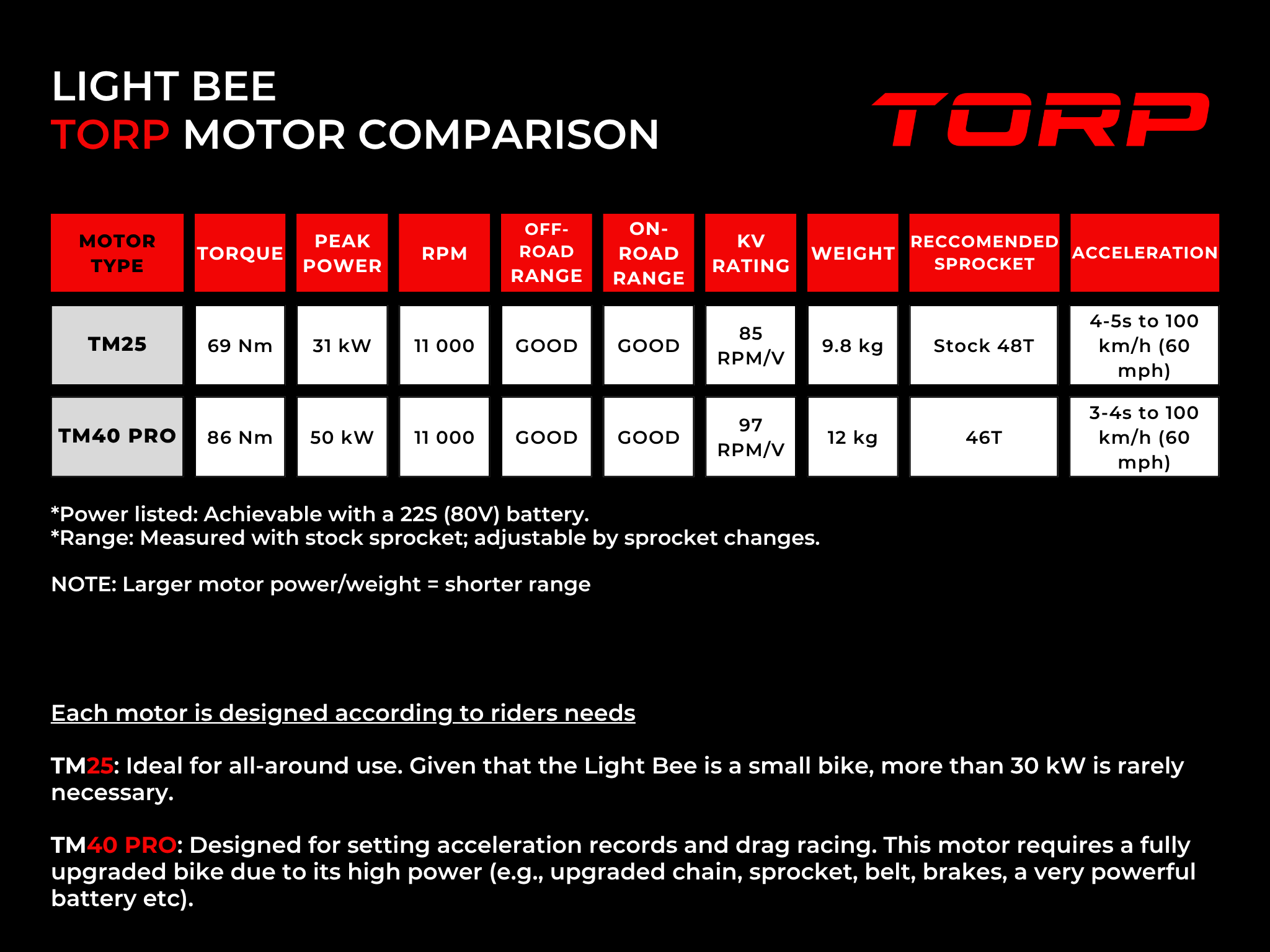
Controllers (MCU): Torp, eBMX, SiliXcon
The controller (MCU - Motor Control Unit) is the core electronic component of an electric motorcycle. It manages current, speed, throttle response, regeneration and thermal protections. Replacing and programming the controller is one of the most effective tuning steps.
| Controller | Fits models | Features | When to choose |
|---|---|---|---|
| Original (OEM) | All | Limited power, locked firmware | Everyday riding under warranty |
| Torp TC (TC500 / TC1000) | Sur-Ron, Talaria | Bluetooth tuning, smooth FOC control, clean integration | For those who want “plug-and-play” power and quality |
| eBMX X-9000 V3 | Sur-Ron, Talaria, Eride, custom | Up to 50 kW and up to 1600 A burst phase current, VESC/FOC, IP67, app tuning | For maximum power and phase current |
| SiliXcon SL / SC / AM | High-end builds | Top-tier FOC, quiet, exceptionally reliable | For premium and race projects |
What does controller programming give you?
Programming the controller changes power, torque, speed limiting, regeneration and thermal protection parameters. FabiRide programmes ASI and SiliXcon controllers and tunes Torp and eBMX, so the machine can be matched precisely to your weight, tyres, riding style and battery capability.
04 - Power supply
Batteries and voltage
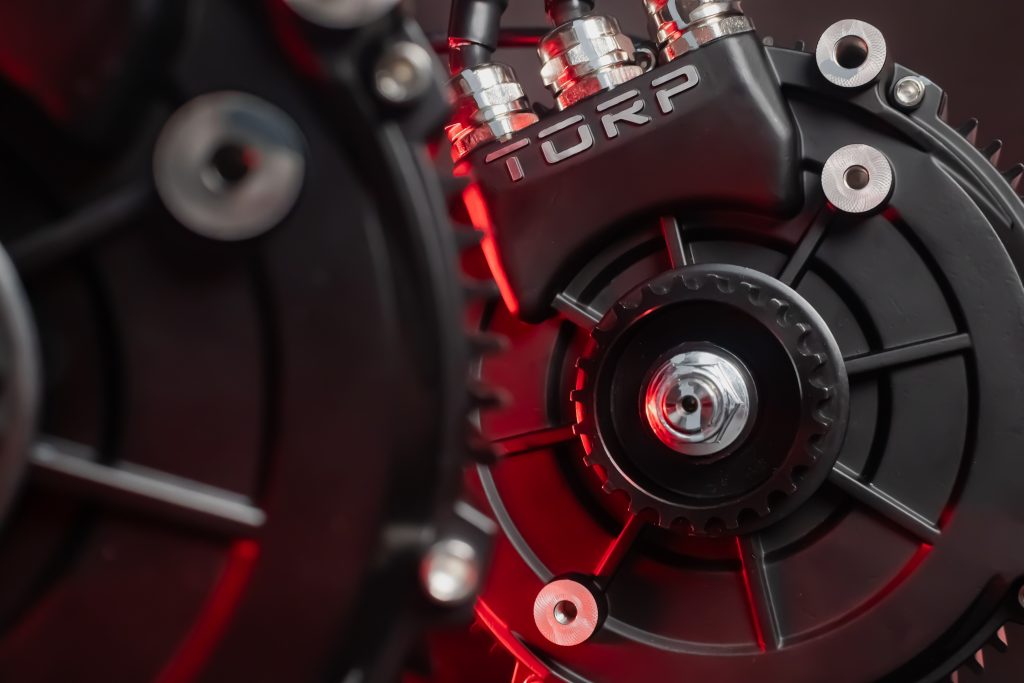
The battery feeds the controller and motor, so its voltage and current delivery directly determine the end result. FabiRide builds custom Li-ion battery packs matched to a specific motorcycle and purpose, shipped across the EU.
Raising voltage (for example from 60V to 72V) increases power and speed, while more capacity (Ah) extends range. What matters most - quality cells and the right BMS, so the pack can handle the current a tuned controller demands.
| Voltage class | Configuration | What it gives | Who it suits |
|---|---|---|---|
| 60V class | ~16S | Balanced power, softer response, lower load on cells | Everyday riding, beginners |
| 72V class | ~20S (≈84V fully charged) | Noticeably more power, speed and torque | Sporty riding - the most popular upgrade |
| Higher (>20S) | Custom battery pack | Maximum power; requires a strong BMS and 6AWG/QS8 wiring | For racing and experienced riders |
“S” marks the number of cells in series - it sets the pack voltage. Nominal and fully charged voltage differ (e.g. 20S ≈ 72V nominal / 84V charged).
Connectors and wiring
More power demands a stronger current path. That is why standard connectors are usually replaced with QS8 and 6AWG cable, and on the Talaria Sting we use QS8 → Sting adapters. Quality wiring reduces voltage drop and heat build-up at maximum load.
05 - Legal
Road legality in the EU
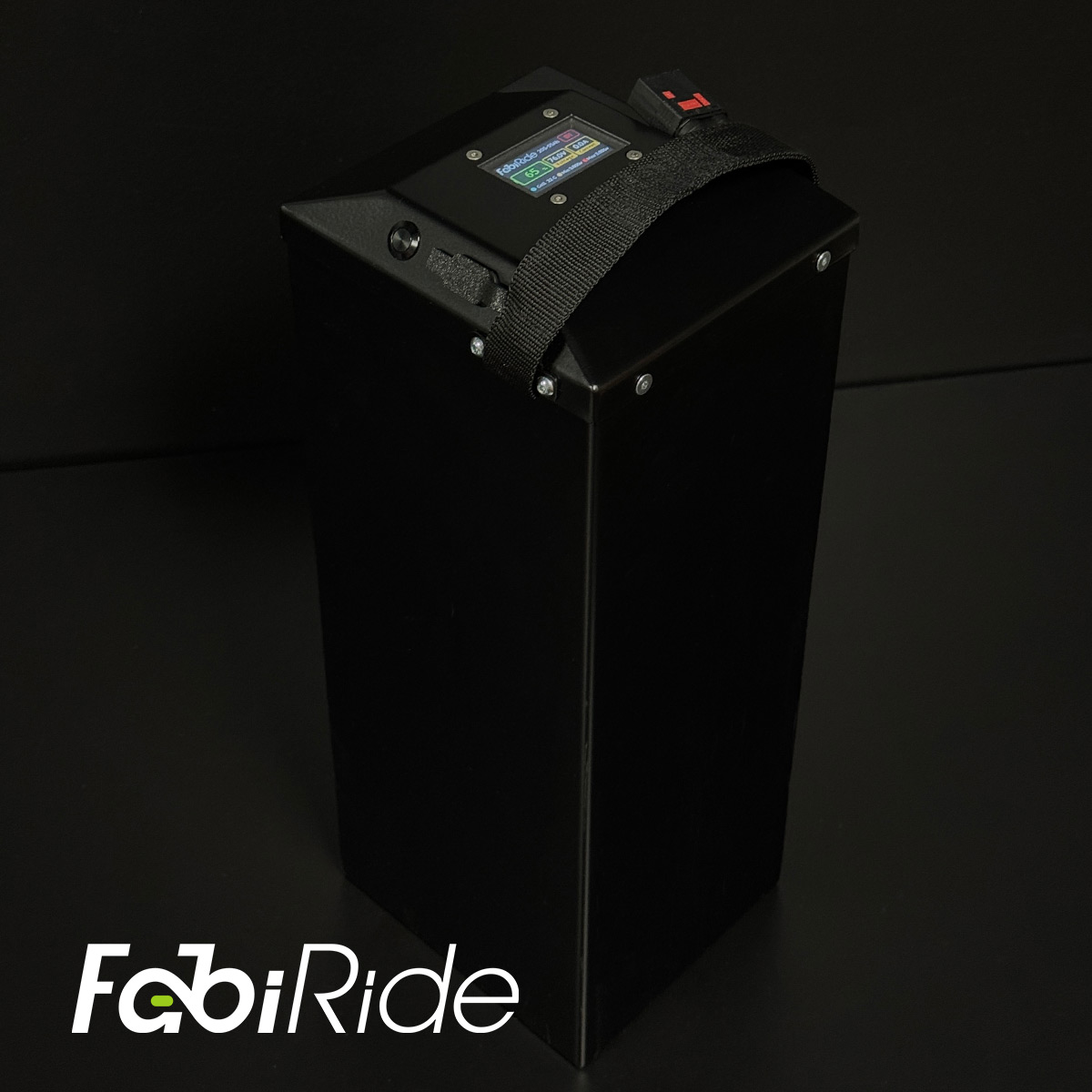
Many electric motorcycles can be homologated for road use as a moped (L1e) or a motorcycle (L3e), provided they meet the technical requirements. High-power “off-road” configurations are for closed grounds only.
| Category | Speed / power | Main requirements | Where you may ride |
|---|---|---|---|
| L1e - moped | up to 45 km/h, limited power | Registration, moped licence, lighting, mirrors, horn, VIN | On public roads |
| L3e - motorcycle | Higher speed and power | Registration, motorcycle licence, roadworthiness test, insurance | On public roads |
| Off-road / sport | Unrestricted | Not registered for public traffic; helmet and protection | Closed grounds and tracks only |
Exact technical requirements and category are set by your national vehicle authority; check your own country’s rules before registering.
- Lighting and signals: working headlight, indicators, brake light.
- Mirrors and horn: mandatory for use on public roads.
- VIN and paperwork: identification number and certificate of conformity for registration.
- Street-legal models: e.g. the Talaria Sting R Road-Legal or Sur-Ron Storm Bee are easier to register.
06 - Safety
Safety: what to upgrade first
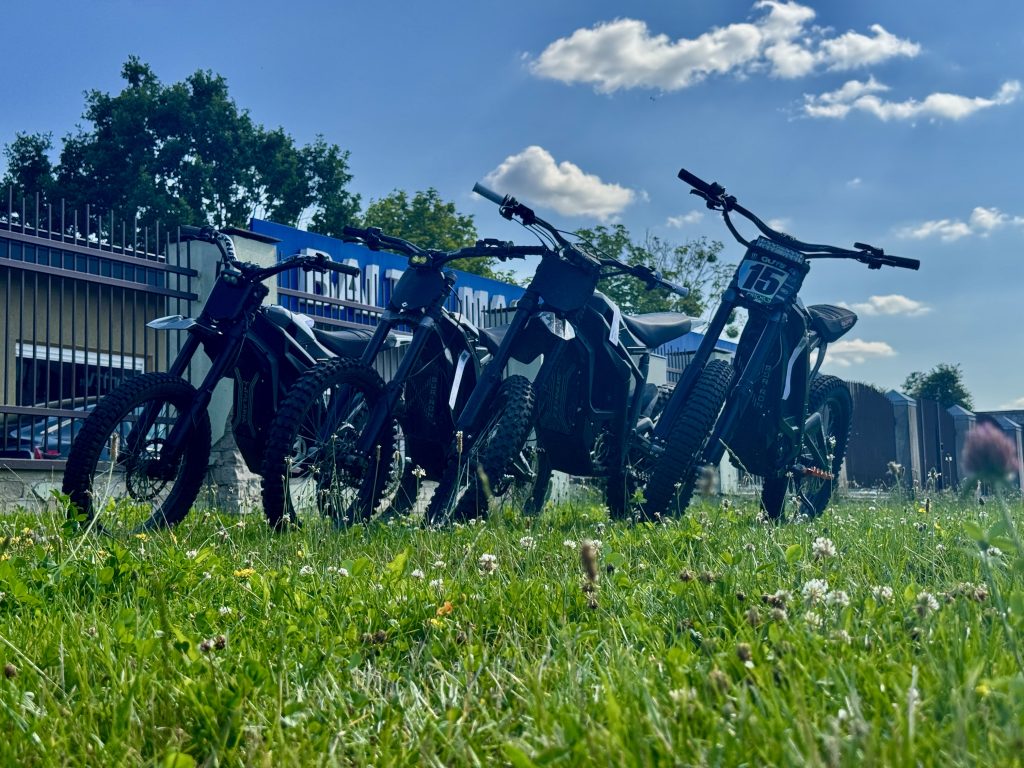
More power without matching brakes, tyres and suspension is dangerous. We always recommend upgrading safety components before or together with a power increase.
- Brakes: larger discs and quality pads for shorter stopping distances.
- Tyres: the right tread for grip matched to power and surface.
- Suspension: springs and dampers set up for your weight and speed.
- Thermal management: controller and battery temperature control under sustained load.
Domino) and clean wiring not only improve the feel of the bike but also make it safer - finer power metering means better control.07 - Cost and process
What drives the cost and how we work
There is no single fixed price - cost depends on the controller class you choose, battery capacity and voltage, the scope of work and additional parts. Below - the main cost drivers and the relative scale of each upgrade.
| Cost driver | What it means |
|---|---|
| Controller class | OEM vs Torp / eBMX / SiliXcon - power and quality raise the cost |
| Battery | Voltage (60V→72V), capacity (Ah) and cell type (e.g. Molicel P42A, Samsung 50S) |
| Scope of work | Controller programming only vs a full power kit with wiring |
| Additional parts | QS8 connectors, 6AWG cable, Domino throttle, brakes, tyres |
| Chassis upgrades | Springs, dampers, sprockets, belt |
How the process works
Consultation and goals
We discuss what you want - more power, more range or road legality. By phone or email, wherever you are.
Assessment and plan
We assess the bike’s condition and existing components and put together a tuning plan.
Quote and parts list
You get a specific component list and price - with no hidden extras.
Shipping or mail-in work
We ship the parts to you, or you send the bike or part in and we fit, programme and test it.
Return and warranty
We ship the machine or part back, cover work and parts under warranty and stay available for support.
08 - FAQ
Frequently asked questions
Can a Sur-Ron, Talaria or Eride Pro be registered for road use?
Yes, many electric motorcycles can be homologated as a moped (L1e) or a motorcycle (L3e) if they meet the technical requirements: working lighting, indicators, mirrors, a horn, a VIN and a certificate of conformity. Factory street-legal models (e.g. Talaria Sting R Road-Legal, Sur-Ron Storm Bee) are easier to register. Raising power can change the vehicle category, so it is worth agreeing the configuration in advance. Exact rules differ by country, so check with your national vehicle authority - FabiRide helps you choose a compliant setup and supplies the equipment you need.
How much power can electric motorcycle tuning add?
The gain depends on the base model and the components chosen. Replacing the controller (e.g. from OEM to Torp or eBMX) and raising battery voltage can multiply peak power several times over on most Sur-Ron and Talaria models, with a clear increase in torque and speed. The safe power level is set by how well motor, controller and battery match - which is why the whole chain must be tuned, not a single part. FabiRide was among the first workshops in Lithuania to develop Sur-Ron power upgrades, the first in Lithuania to officially integrate ASI controllers, and we fully programme in-house the SiliXcon controller range.
How do Sur-Ron, Talaria and Eride Pro differ from a tuning perspective?
Sur-Ron has the largest parts and controller market, making it the most versatile tuning platform. Talaria offers more torque and a softer chassis and is gaining popularity fast. Eride Pro brings a larger frame and a 72V platform suited to longer rides. All three respond well to controller and battery upgrades.
What is controller programming and why does it matter?
The MCU (Motor Control Unit) is the core electronic component, managing current, speed, throttle response and protections. Programming it changes power, torque, regeneration and thermal protection parameters. FabiRide programmes ASI and SiliXcon controllers and tunes Torp and eBMX, so the machine can be matched exactly to your needs - from a mild everyday map to a race setup.
Does tuning void the warranty, and what warranty does FabiRide give?
The manufacturer’s warranty usually does not apply to replaced components, so it matters that the work is done by experienced specialists. FabiRide warrants the work we carry out and the parts we fit, and supports you after the build. Before any work we always explain which changes are reversible and which are not.
How much does electric motorcycle tuning cost?
There is no single fixed price - it depends on the controller class, battery capacity and voltage, the scope of work and additional parts (QS8 connectors, 6AWG wiring, brakes, tyres). Simple controller programming costs far less than a full power kit with a custom battery. We quote exactly once we know your bike and your goal - call +370 604 15255 or email info@fabiride.com.
How does the work happen and do I need to arrange it in advance?
Yes, get in touch first - write or call and we agree the plan before anything ships or moves. The process: 1) consultation - we establish your goal and budget; 2) assessment and plan - we review the motor, battery, BMS, controller and wiring harness and send a quote; 3) we ship the parts to you, or you send the bike or part in for fitting and controller programming; 4) handover - we test under load, explain the work done and cover it under warranty.
Let’s plan your bike’s tuning
Get free advice on Sur-Ron, Talaria or Eride Pro power, batteries or road legality. Built and programmed in our Kaunas workshop, with parts shipped across the EU and worldwide.
Controllers we work with
We tune, programme and replace the most advanced electric motorcycle motor controllers - in the FabiRide workshop in Kaunas. We work with most controllers on the market, and we programme ASI BAC and SiliXcon controllers and match them to any motor, so the whole system runs smoothly.
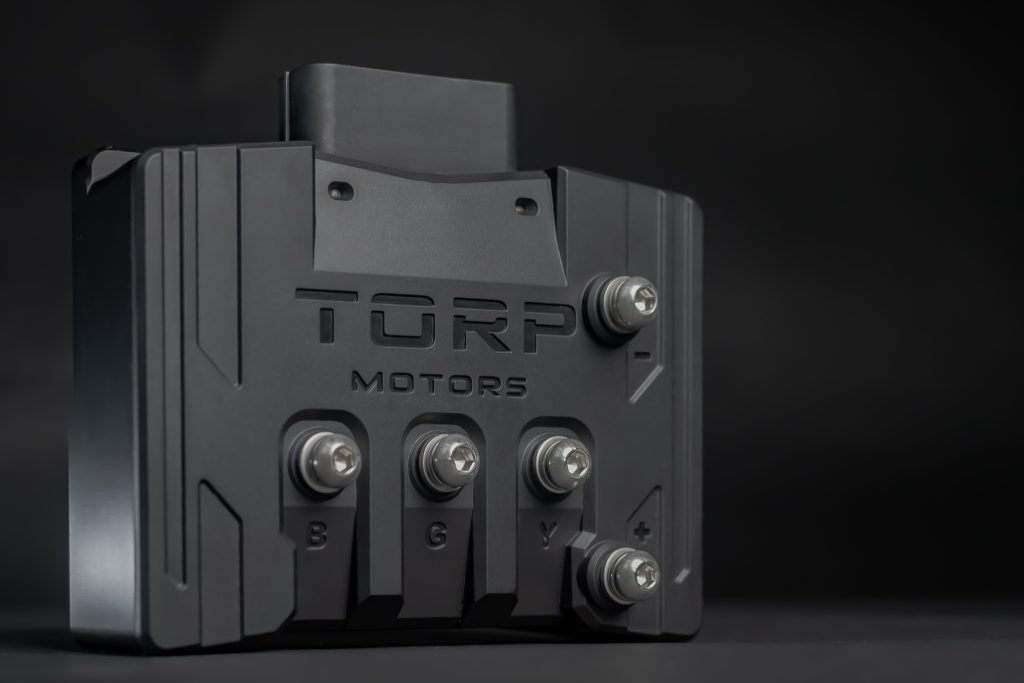 Torp TC500 2.X / TC1000 2.X FOCPlug-and-play power upgrade with Bluetooth tuning - from 25 kW (TC500) to 60 kW (TC1000).
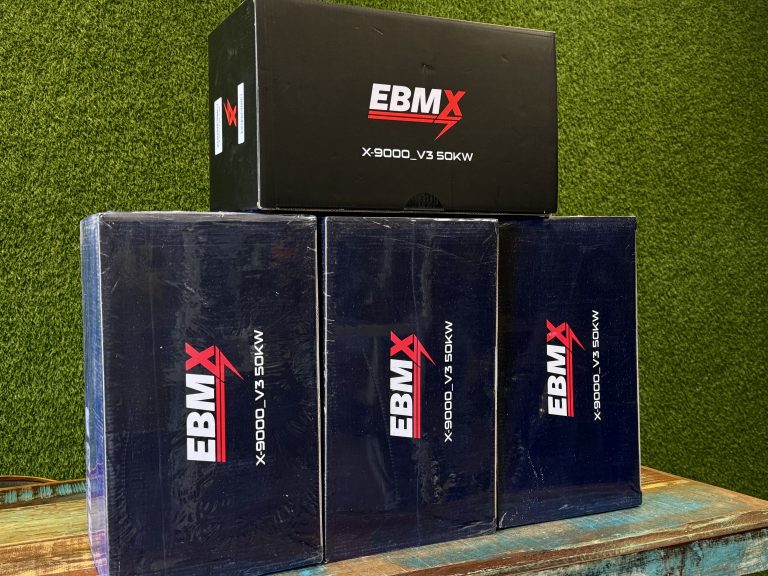 eBMX X-9000 V3VESC/FOC, up to 50 kW and up to 1600 A burst phase current, IP67 - for high-power builds.
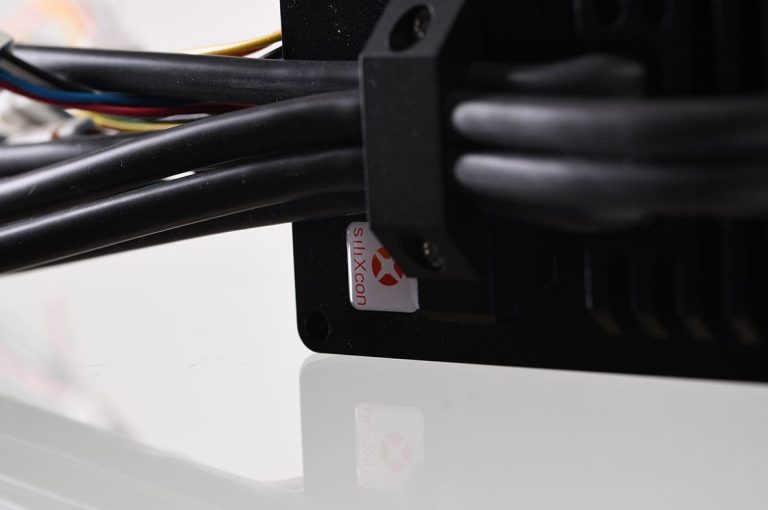 SiliXcon SL / SC / AMRuns on its own platform with the manufacturer’s software. We programme and match it to your motor - 18-36 kW.
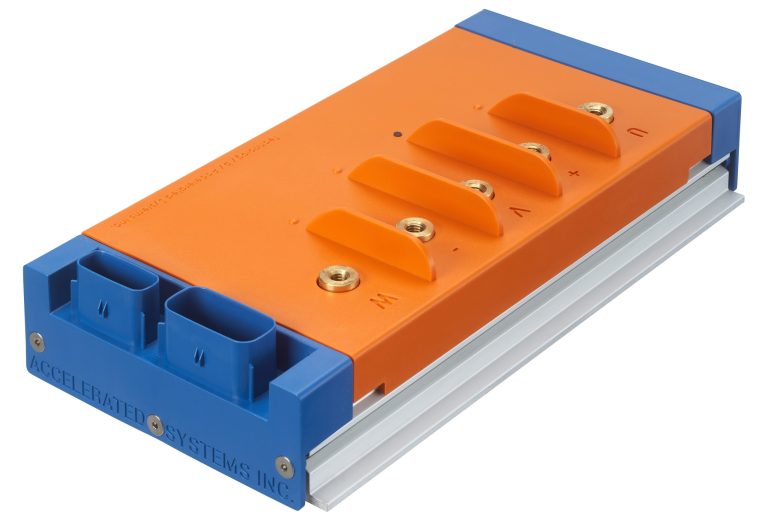 ASI BAC4000 / BAC8000Race-class FOC controllers, 17-32 kW. We programme and match them to any motor.
Models: Sur-Ron · Talaria · Eride Pro
Related pages
More on Sur-Ron, Talaria and Eride Pro tuning, repair and electronics from the FabiRide workshop in Kaunas.
