



Summer in Lithuania looks easy on paper: charge up and ride. In real life, SurRon summer maintenance usually starts with the three things that ruin weekends: heat, water, and dust. Heat pushes battery and controller temps up fast. Water finds its way into connectors, buttons, and bearings. Dust eats chains, brake pads, and can even “smother” cooling. If you’re riding forest trails after rain or blasting around sandy quarries, the odds of a failure go up several times.
In this guide we’ve put together the practical pre-season check we run in the workshop before the busy months. You’ll get clear steps. You’ll see the most common mistakes. And you’ll also see where it’s smarter not to experiment. FabiRide focuses on SurRon and Talaria repairs, battery rebuilding, and power tuning. So we’re writing this the same way we talk in the shop: short, direct, and with one idea in mind—do it now so you’re not stranded on a Friday night.

1) The summer risk map: what fails first (and why)
SurRon and Talaria bikes are mechanically simple, but the loads are high. Summer highlights a few weak points. They’re frustrating because the failures feel sudden. Sometimes one deep puddle crossing is enough. Sometimes it’s one long stretch of dry sand at high throttle.
Heat: controller, motor, and battery temperatures
On a hot day, your battery heats up much faster—especially when you’re riding at higher power. If you’re running an aftermarket controller, the demands can be even higher. A battery will sag voltage faster when heat combines with high current draw. The controller may start limiting power. Sometimes you’ll feel it as “cutting out,” stuttering, or protection modes kicking in.
If you notice power dropping after a few hard pulls, it’s worth checking your settings and taking an honest look at battery health. At FabiRide we often see cases where the problem isn’t the “motor”—it’s an overheated battery or current limits set too aggressively for the setup.
Water: connectors, sensors, and switches
Water isn’t just rain. It’s pressure washing. It’s wet sand. It’s morning dew when the bike sits outside overnight. Connectors usually take the first hit. After that it’s Hall sensors and the brake lever sensors. The symptoms can look random: the bike powers on but won’t move. Or it crawls in limp mode. Or it throws error codes.
Dust: drivetrain, bearings, brakes, and cooling
Dust works like sandpaper. Mixed with lube it turns into grinding paste. That accelerates wear on the chain and sprockets. Brakes start squealing. Rotors run hotter. Bearings begin to “sing” or rumble. Dust also clogs radiators if you’ve added extra cooling solutions. Even without add-ons, dust reduces heat transfer from the motor and controller.
✅ Key point
Most “unexpected” summer breakdowns start small: a slightly oxidized connector, a too-loose chain, or a battery running too hot.
2) Washing after a ride: how to clean without causing damage
Washing is the biggest “gift” you can give a repair shop—not because you can’t wash an e-bike, but because many people wash them the wrong way. A high-pressure jet forces water into places it doesn’t belong. Then contacts start turning green. Error codes appear. Or the bike dies halfway through a forest ride.
What to avoid on SurRon/Talaria
- Don’t use a pressure washer directly on connectors, the controller area, or bearings.
- Don’t blast brake calipers from close range. Water strips away what little protection is left inside.
- Don’t leave a wet bike in a closed room with no ventilation. Moisture lingers in connectors.
A safe washing step-by-step
- Power the bike off. Remove the battery if you’re doing a more serious wash.
- Rinse mud off the frame and wheels with a gentle flow.
- Use a soft brush around the chain and sprockets.
- Wipe down with microfiber—especially around connectors and under the seat.
- After washing, do a short 2–3 minute ride on a dry road to help shed moisture.
⚠️ Important
Don’t charge the battery immediately after a wet ride. Wait until the pack and connectors are fully dry. Moisture in the charge port can cause arcing and damaged contacts.
If you get “ghost” symptoms after washing, don’t rush to replace parts. Check the connectors first. If needed, bring it to FabiRide for diagnostics. Often it’s enough to clean the contacts and restore proper insulation.
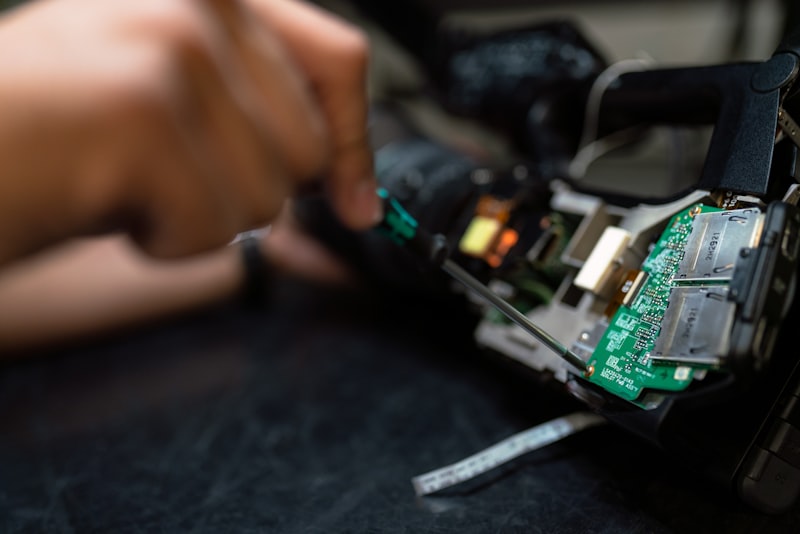
3) Dust and drivetrain: chain, sprockets, tension, and noise
If you ride gravel roads, forest tracks, or quarries, dust shows up on the drivetrain within the first few kilometers. Then you usually get one of two scenarios. First: the chain dries out and stretches fast. Second: the chain gets over-lubed, dust sticks, and everything turns into an abrasive slurry. Both end the same way: the chain starts skipping. You hear clunking. Sprockets wear much faster.
How to tell your chain needs attention
- The chain makes a dry hiss when you spin the wheel by hand.
- You hear uneven noise, especially climbing or under load.
- You see brown residue on the chain and rear sprocket.
- After dusty riding, there’s a thick layer stuck to the chain.
Quick post-dust routine
- Wipe the chain with a dry rag. Remove dust from the side plates.
- If needed, use a chain cleaner. Don’t get it on brake rotors.
- Let the chain dry. Then apply a thin layer of lube.
- Check chain tension. A loose chain slaps the swingarm and guides.
💡 Tip
If you ride dusty trails often, lube more frequently—but use less. Thick lube layers attract sand faster and shorten drivetrain life.
At FabiRide we often see riders upgrade “power” but ignore the drivetrain. Then a new battery or controller simply accelerates wear. If you’re planning more power, drivetrain maintenance becomes even more important.
4) Water and electrics: connector sealing, contacts, and diagnostics
The electrical side on SurRon and Talaria models is generally reliable. But water and oxidation still win over time. A weak connection causes voltage drop. Then the controller can “see” bad signals. You get stuttering. Sometimes the bike cuts out after a jump or a hard hit. In summer it happens more often simply because you ride more.
What you can check at home in 15 minutes
- Inspect the main power cable and connector. Look for heat marks or discoloration.
- Check for loose connectors at the handlebar area—especially after crashes.
- Look at the battery socket. It should be clean and dry.
- If you’ve been through water, check for any greenish corrosion starting to form.
When it’s time for a workshop (not guesswork)
If the bike sometimes works and sometimes doesn’t, the cause is often contact-related. If error codes start appearing, proper diagnostics saves time. If you smell burning, stop riding. That can be an overheated connector or a controller issue. In the workshop we can quickly locate the fault by measuring voltage drop under load. That’s far more accurate than “I replaced half the bike.”
⚠️ Important
Don’t open the battery or solder wires “on the trail.” Lithium cells don’t forgive mistakes. If you suspect the battery or BMS, it’s safer to go to specialists.
If reliability matters to you, SurRon summer maintenance has to include the electrical system. Because water usually steals your weekend suddenly—and usually when you’re farthest from home.

5) Battery care in summer: protect range and avoid overheating
The battery is the most expensive component. In summer it takes the most stress. The reason is simple: heat raises internal cell temperature. High current raises it even more. If you charge immediately after riding, you’re stacking “heat on top of heat.” That speeds up degradation. Range drops. Voltage sags harder under load.
What’s normal vs. what’s a warning sign
- It’s normal for the battery to feel warm after a summer ride.
- It’s not normal if it’s extremely hot and takes a long time to cool down.
- It’s a warning sign if the bike starts limiting power earlier than it used to.
- It’s a warning sign if the charger or charge port gets unusually hot.
Practical charging and storage rules
- After hard riding, wait 20–40 minutes before charging.
- Don’t charge in direct sun or inside a hot car. Temperatures spike quickly there.
- If you won’t ride for a few days, don’t store it at 100%.
- For storage, aim for a mid-level charge so the battery ages slower.
💡 Tip
If your range drops, check tire pressure and brake drag first—then suspect the battery. We often find a simple cause.
When to consider an upgrade or a higher-power battery
If you ride farther, want more power, or you’ve upgraded your controller, the stock battery can become the bottleneck. That’s when voltage sag shows up—and temps rise. In that case, investing in a higher-output battery is a logical move. FabiRide specializes in battery upgrades and builds matched to how you ride. City commuting needs one thing. Forest riding and jumping needs another.
6) Brakes and chassis: what to fix before longer rides
In summer, brakes work hard. Long descents heat rotors. Sand and water scrub pads. If the pad is already thin, it can burn up very quickly. Then your weekend ends with metal-on-metal noise and a damaged rotor.
A quick brake check before every weekend
- Look at pad thickness. If it’s low, replace now.
- Check if the rotor has turned blue. That’s a sign of overheating.
- Squeeze the lever. It should feel firm and consistent.
- Lift the wheel and spin it. It shouldn’t rub continuously.
Bearings, rims, and bolts
After water crossings, bearings can start to rumble. After rough trails and potholes, bolts loosen. Check axles, headset, and the rear swingarm pivot area. Small play turns into big repairs later. If the bike feels vague or “wanders” in corners, the headset or wheel bearings are often the culprit.
7) Power vs. reliability: matching controller, display, and battery for summer
Summer makes you want more power. But summer is also the easiest time to overheat things. That’s why power upgrades need to be done with protection in mind. A good controller doesn’t just “give power”—it also protects the motor. It can also reduce output as battery voltage drops, which can help extend battery life.
What modern ASI BAC setups actually do
Controllers like the ASI BAC4000 or BAC8000 let you tune the power curve precisely. You can run a smoother launch for city riding. You can set a more aggressive response for the woods. Motor over-temp protection is also a big deal. In summer it can genuinely save your ride—especially on long sandy sections or sustained climbs.
A display and real control
A display isn’t just speed. It can show power draw, distance, and other parameters. When you can see real watts, it’s easier to manage temperatures. The 750C display suits riders who want more information. It’s handy when you’re testing a new setup and want to understand where range is going.
If you want a power upgrade that isn’t a gamble, the best approach is a complete match-up. We tune the controller, battery, and your riding style as one system. That way SurRon summer maintenance becomes more than “I washed it”—it becomes “I made sure it will ride.”
8) What’s worth buying or upgrading before the season (FabiRide picks)
Not everyone needs a full tune. But most riders need two things: reliability and clear, controllable settings. Below are a few products that most often help in real summer scenarios. They’re relevant if you want less downtime and more buffer against failures.
ASI BAC4000 Sur Ron
If you ride longer and harder in summer, controller protections become critical. BAC4000 lets you adjust power via a display and helps protect the motor from overheating. It supports 60V–72V batteries, which makes future battery upgrades easier to plan.
Price: €PRICE
ASI BAC8000 Talaria Sting
For Talaria Sting owners, it’s not only about power—it’s about control. This controller includes reverse and lets you tune assist levels precisely. In summer that helps avoid overheating because you can manage current based on the terrain.
Price: €PRICE
If your goal is more range and less voltage sag, it usually comes down to the battery. Below are a few real-world options based on different riding styles.
60v. 25 Ah. 10kW SAMSUNG
A solid choice if you want a reliable summer “workhorse” setup. A 60V system is often easier on components, but with this battery you still get enough power and extra headroom for heat. Good for mixed city and trail riding.
Price: €1002
72v. 40Ah. 20kW SUR-RON
If you’re after maximum capability and longer rides, higher capacity reduces stress on cells in summer. With the right controller you get a more consistent pull even in the heat. This option also makes sense for riders who go more aggressively.
Price: €1600
750C ekranas
In summer, many problems start because you can’t see your load. 750C shows speed, power, ODO, and trip distance. It’s useful when you’re adjusting your riding to the terrain and trying to understand where range is disappearing.
Price: €132
If you’re not sure what to choose, start with diagnostics. Then we recommend a solution based on real numbers. That helps avoid the classic situation: you buy a powerful part, but another part remains the weak link.
Frequently asked questions
When is the best time to do SurRon summer maintenance in Lithuania?
Ideally, do it before your first big summer weekend. That gives you time to check connectors, brakes, and drivetrain calmly. If you find an issue, you still have time to order parts or book a workshop visit.
<di
